
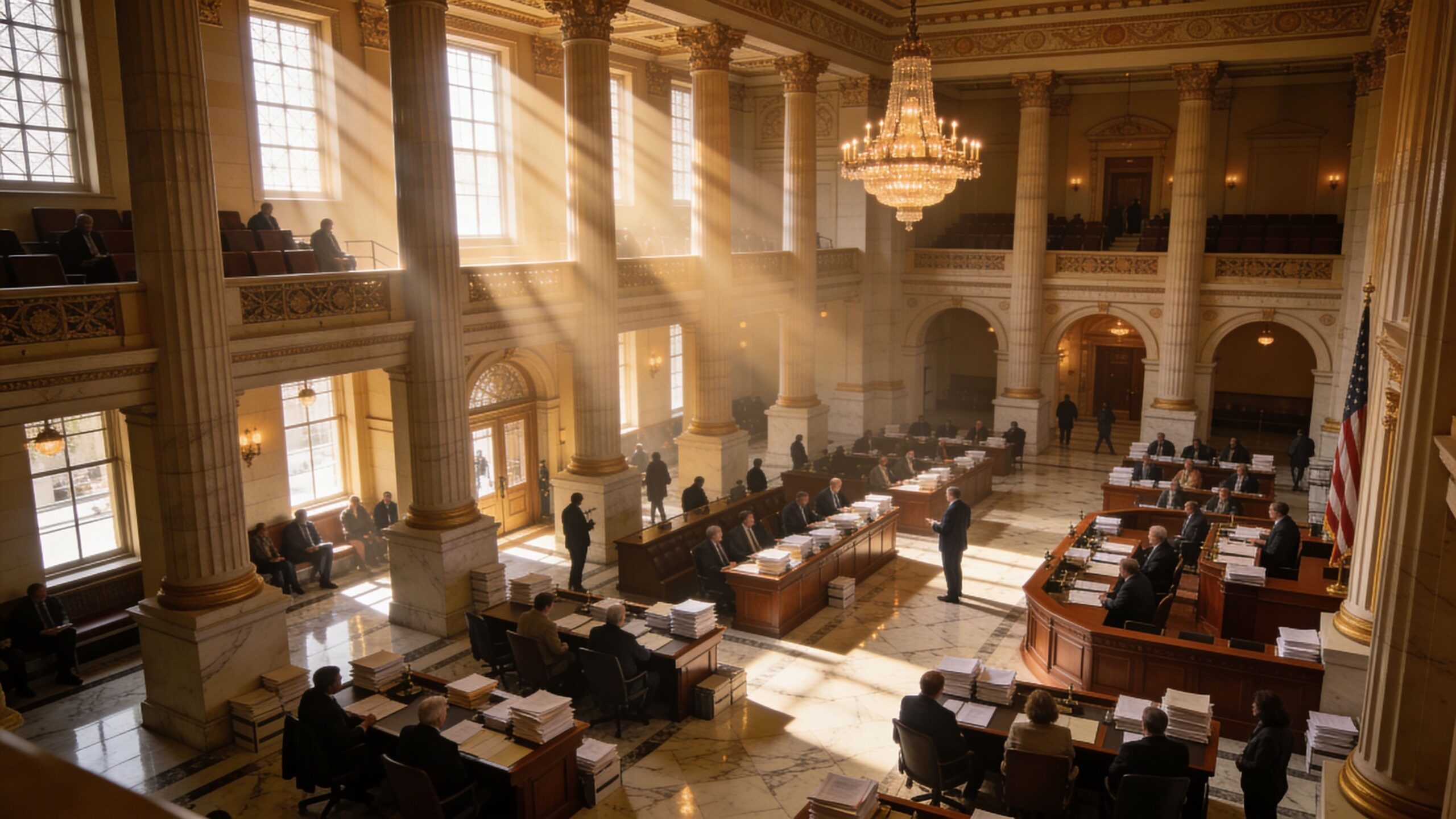
Historic legislation marks the moments when governments turned ideas into law and permanently changed the direction of society. These landmark acts do more than fill legal archives—they shape rights, expand opportunity, regulate power, and reflect the values of the eras that produced them. On this Historic Legislation page, Government Streets explores the bills, reforms, and defining legal milestones that influenced how nations govern, protect citizens, and respond to social change. From civil rights laws and constitutional reforms to economic policy, labor protections, and wartime measures, historic legislation reveals how government action can leave a lasting imprint on everyday life. Each law carries a story of debate, compromise, resistance, and political will, showing how progress often emerges through long and hard-fought legislative battles. Some laws opened new doors for freedom and equality, while others reshaped institutions, public services, and the balance of government power. Whether you are exploring famous acts, major reforms, legislative turning points, or the lasting impact of public policy, this section offers an exciting introduction to the laws that helped define governments, nations, and civic life across history.
A: Its long-term impact on rights, institutions, policy, or national development.
A: No. A law can be historic because of its significance, not just its age.
A: Because they created major legal, political, or social change.
A: Yes. Courts can uphold, limit, reinterpret, or strike down parts of major laws.
A: It usually passes through drafting, committee review, debate, voting, and final approval.
A: Political opposition, weak support, timing, or disagreements over policy details.
A: Sometimes, though many reforms take years to show full impact.
A: It explains how ideas became law and how governments solved major challenges.
A: No. Some remain controversial because their effects are debated.
A: Laws shape rights, duties, opportunities, and the everyday relationship between people and government.