
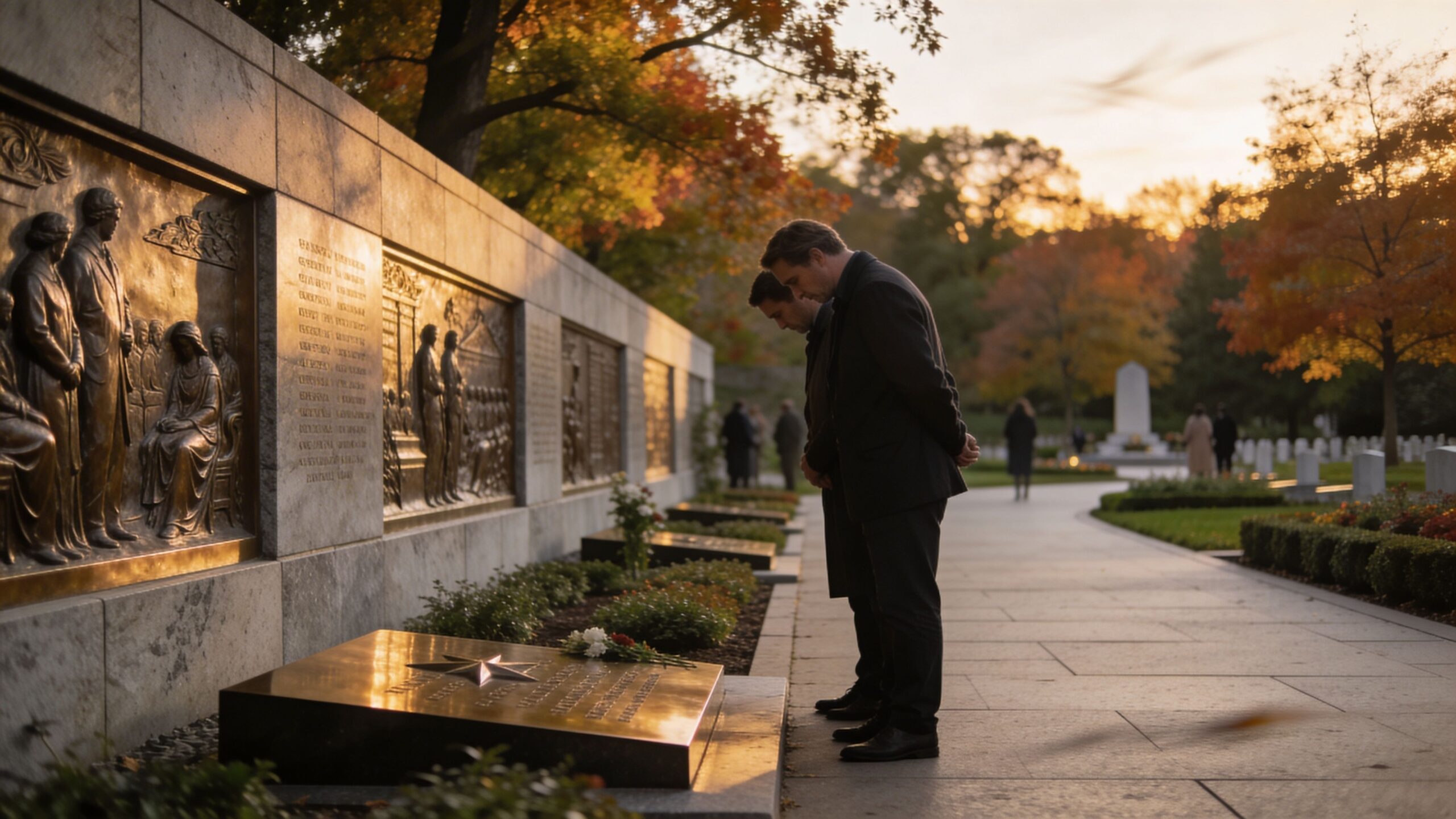
Monuments and memorials stand at the intersection of memory, identity, and government, transforming public spaces into powerful reminders of the people, events, and ideals that shaped a nation. They are more than stone, bronze, and architecture—they are symbols of sacrifice, leadership, resilience, and remembrance. On this Monuments & Memorials page, Government Streets explores the stories behind the landmarks that honor presidents, veterans, reformers, tragedies, victories, and defining moments in civic life. From towering statues and solemn plazas to engraved walls and historic public squares, these places help communities reflect on the past while shaping how future generations understand it. Some monuments celebrate achievement, others preserve grief, and many spark important conversations about legacy, values, and public memory. Together, they reveal how government and society choose to remember history in visible, lasting ways. Whether you are interested in national landmarks, state memorials, commemorative design, or the political meaning behind public remembrance, this section offers a compelling introduction to the places where history, symbolism, and civic identity are carved into the landscape for all to see.
A: A monument often honors achievement or a figure, while a memorial emphasizes remembrance.
A: To preserve history, honor sacrifice, and create spaces for public reflection.
A: Decisions are usually shaped by governments, commissions, donors, and public input.
A: Minimal designs can create deeper emotional impact and encourage personal reflection.
A: Yes. Interpretations of history and public values can change over time.
A: No. They can commemorate leaders, tragedies, reform movements, or civic ideals.
A: They help explain the meaning of the site and shape public understanding.
A: Through restoration, maintenance plans, conservation work, and legal protections.
A: Strong symbolism, thoughtful design, emotional resonance, and historical significance.
A: They reveal how governments and communities choose to remember the past in public space.