
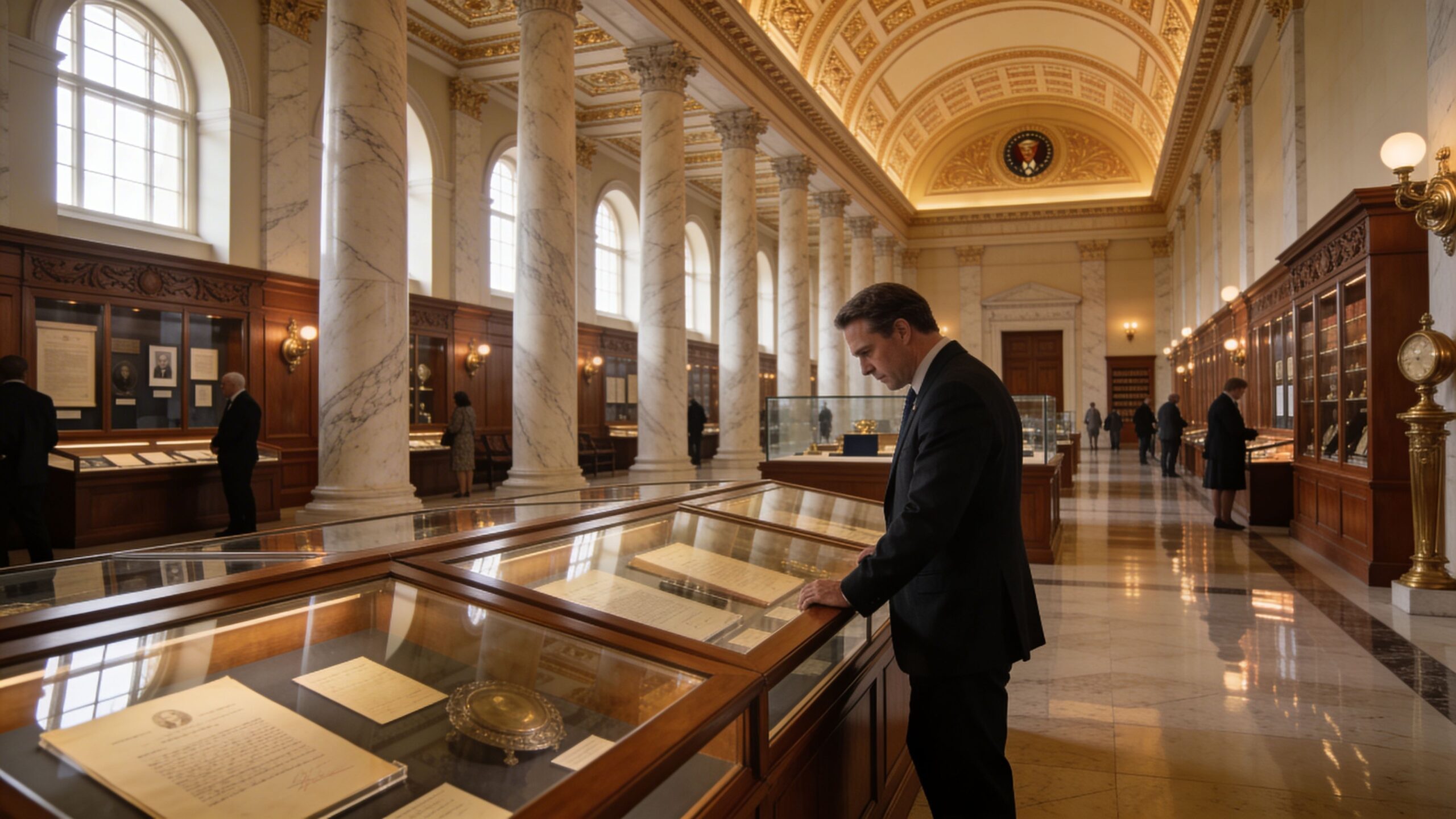
Presidential libraries open a remarkable window into the lives, decisions, and legacies of the nation’s highest office. They are far more than archives filled with papers and photographs—they are living civic spaces where history, leadership, and public memory come together. On this Presidential Libraries page, Government Streets explores the institutions that preserve presidential records, showcase defining moments in government, and help visitors better understand how administrations shaped the country. From campaign artifacts and Oval Office recreations to handwritten notes, policy documents, and multimedia exhibits, these libraries bring history out of textbooks and into vivid, human focus. They reveal the pressures of leadership, the complexity of decision-making, and the personal stories behind public power. Some highlight triumphs, others examine controversy, but all offer a deeper look at the presidency as both an institution and a lived experience. Whether you are interested in executive leadership, historic documents, museum exhibits, or the preservation of national memory, this section offers an exciting introduction to the places where presidential history is collected, interpreted, and shared with future generations in rich and unforgettable ways.
A: A museum and archive that preserves materials related to a president’s life and administration.
A: No. They are designed for both scholars and the general public.
A: Documents, photos, speeches, gifts, exhibits, recordings, and personal artifacts.
A: They preserve records, support research, and help citizens understand leadership and history.
A: Strong libraries usually explore achievements, challenges, and controversies.
A: Yes. Many include exhibit galleries, theaters, educational programs, and archives.
A: They provide direct evidence of how decisions were made and recorded.
A: The presidency it represents, the architecture, the collections, and the exhibit focus.
A: Yes. They offer educational resources that bring history and government to life.
A: They reveal how nations preserve executive history and interpret presidential legacy.