

A nation remembers in stone, bronze, earthworks, and quiet spaces where footsteps slow. Welcome to National Monuments & Memorials, the Government Streets hub devoted to the places built to honor sacrifice, mark turning points, and preserve stories too important to fade. From sweeping plazas and towering obelisks to minimalist walls, battlefield landscapes, and candlelit shrines, these sites turn history into something you can stand inside—and feel. This category explores how memorials are imagined, approved, designed, and cared for over decades. You’ll discover the civic purpose behind commemoration: why certain events become national symbols, how names are chosen and arranged, and how architecture, sculpture, and landscape design shape emotion without a single spoken word. We’ll also examine the hard realities behind the beauty—funding, preservation, accessibility, security, and the debates that arise when public memory changes. Whether you’re drawn to iconic landmarks or lesser-known tributes in parks and capitol grounds, these articles help you read memorial spaces like powerful civic documents. They are more than monuments. They are public promises—made visible—about what a country chooses to remember, mourn, and carry forward.
A: Monuments often celebrate achievement; memorials primarily honor remembrance and loss.
A: Typically commissions and lawmakers, shaped by public input, historians, and civic leaders.
A: Simplicity can create space for personal meaning and quiet reflection.
A: Through record research, official lists, and multi-step accuracy checks.
A: Proximity ties remembrance to national governance and shared civic identity.
A: Conservation plans, dedicated crews, and funding for repairs and preservation work.
A: Yes—additions and updates happen for accuracy, accessibility, or expanded commemoration.
A: Public memory evolves, and communities reassess how history should be represented.
A: Often yes, but policies balance gatherings with respect and quiet visitor experience.
A: Approach path, materials, light, sound, and how the space guides emotion and meaning.
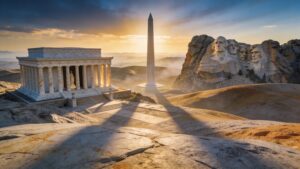
The Most Famous National Monuments in the United States Explained
From towering icons to solemn spaces of reflection, America’s most famous national monuments and memorials tell powerful stories of identity, sacrifice, and progress. This guide explores their history, design, and meaning—revealing why these structures continue to shape how a nation remembers and defines itself.

What Are National Monuments and Why Do They Matter Today?
National monuments are more than preserved places or grand landmarks. They are living symbols of memory, identity, and meaning that connect landscapes, history, and public life in powerful ways. From natural wonders to civic icons, these sites continue to shape how people understand the past, experience the present, and imagine the future.