

Voting and representation sit at the heart of democratic life—where individual voices combine to shape collective decisions. This section of Government Streets explores how ballots become power, how districts translate people into policy, and how representation evolves as societies change. From local elections to national contests, voting is more than a single day on the calendar; it’s a system built on rules, rights, safeguards, and civic trust. Here you’ll discover how different voting systems work, why representation takes many forms, and how participation influences legitimacy and accountability. We’ll look beyond campaign slogans to examine turnout, access, district design, and the ongoing effort to balance fairness with effective governance. Along the way, you’ll encounter the history behind modern elections, the mechanics that keep them running, and the debates that continue to reshape them. Whether you’re a first-time voter, a policy enthusiast, or simply curious about how representation really functions, this collection offers clear, grounded insights into how citizens connect to power—and how every vote helps write the next chapter of public life.
A: It allows citizens to influence leadership and public policy.
A: It describes how elected officials act on behalf of constituents.
A: No—systems vary in how votes translate into seats or outcomes.
A: The percentage of eligible voters who cast ballots.
A: They determine which voters choose which representatives.
A: Through laws, oversight, transparency, and verification.
A: Yes, through redistricting, reforms, and demographic shifts.
A: No—citizens can also engage through advocacy and public dialogue.
A: Legal and administrative processes review and resolve challenges.
A: It shapes policies that affect communities, services, and rights.
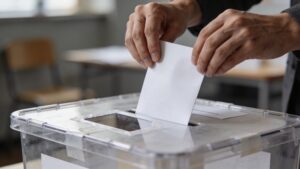
How Elections Work: From Ballots to Results
From casting a ballot to declaring winners, elections are complex systems built on trust, accuracy, and transparency. This guide explains every step, revealing how votes are collected, counted, verified, and transformed into real-world political power.
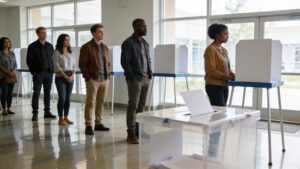
What Is Voting? A Complete Beginner’s Guide
Voting is more than a civic ritual. It is the moment when individual choice becomes public power, shaping leaders, laws, and the future.