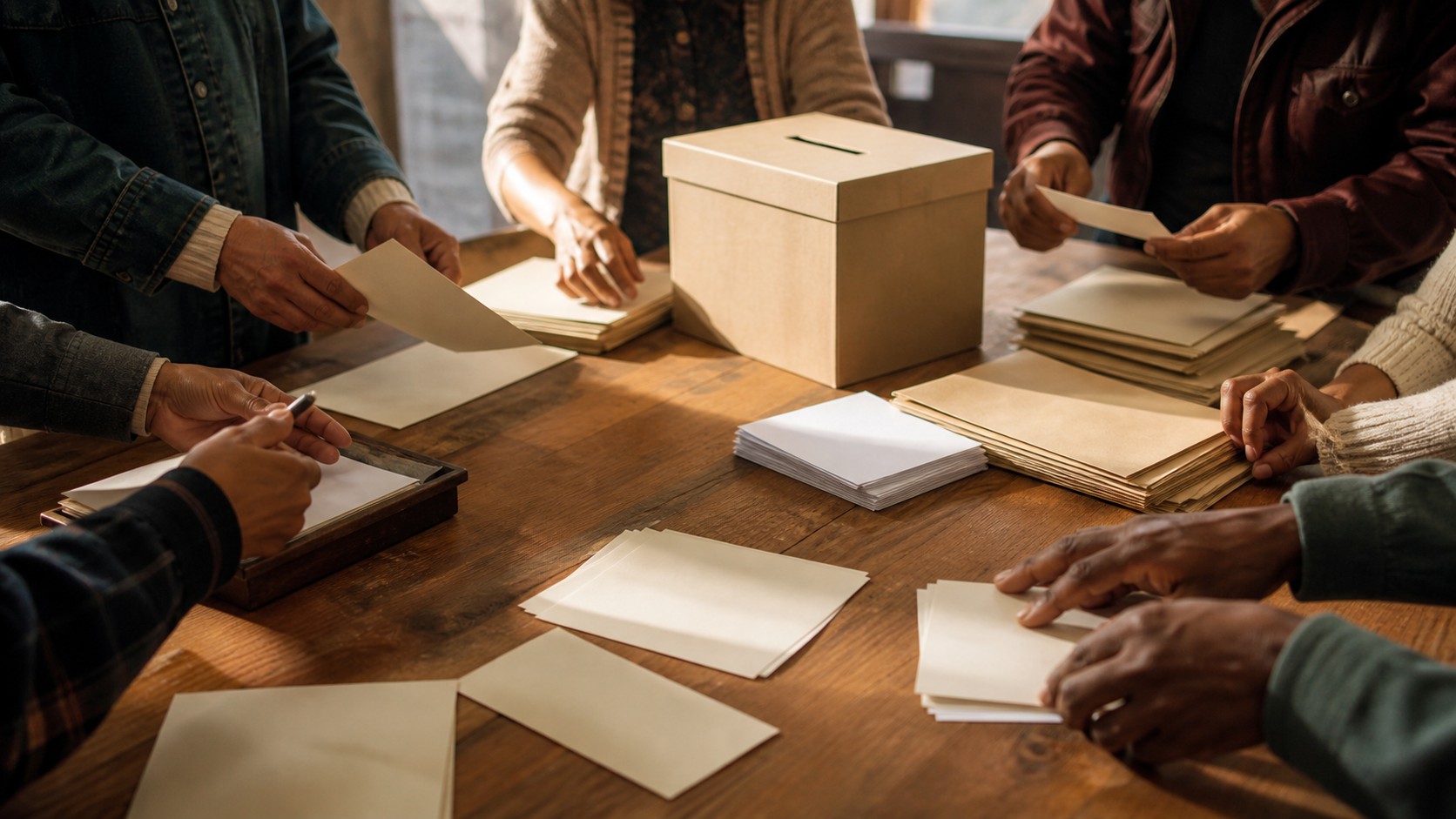
Voter Mobilization Campaigns Change Elections by Turning Support Into Actual Ballots
Voter mobilization is the work of identifying supporters, persuading eligible citizens to participate, removing practical barriers to voting, and making sure people actually cast ballots. It is different from broad political persuasion because mobilization often focuses on people who already lean toward a candidate, party, or cause but may not vote without contact, information, urgency, or assistance. The biggest mobilization campaigns in history matter because they show how organization can turn public sentiment into electoral power.
A: Public decisions pass through rules, budgets, negotiations, legal review, and implementation limits.
A: No. A law creates authority, while policy includes the plans and actions used to carry it out.
A: Parties organize voters, candidates, agendas, committees, fundraising, and legislative priorities.
A: Yes, especially when it affects elections, coalitions, protests, media attention, or official legitimacy.
A: Courts interpret legal boundaries that shape what officials and agencies can do.
A: Reform has to survive law, funding, administration, opposition, and unintended consequences.
A: History, institutions, party systems, courts, budgets, and public values differ.
A: Ask who has authority, what rule changes, how it is funded, and how results are measured.
A: Local offices often handle services people experience directly, including zoning, schools, roads, and public safety.
A: Transparency, accountability, fair procedure, competent service, and public correction of mistakes.
What Voter Mobilization Means
Voter mobilization includes registration drives, canvassing, phone calls, text messages, rides to polls, vote-by-mail reminders, ballot education, early voting pushes, and community events.
The goal is practical. A campaign does not win because people vaguely agree with it; it wins when enough eligible supporters complete the steps required to vote.
Mobilization is especially important in close elections, low-turnout communities, confusing election systems, and contests where small turnout changes can alter the result.
Registration as the First Barrier
Many mobilization campaigns begin with registration because unregistered supporters cannot vote. Registration rules, deadlines, identification requirements, address changes, and language access can all shape participation.
Groups often focus on students, new citizens, renters, young voters, low-income communities, and people who have recently moved because these groups may face higher administrative barriers.
A registration drive is not only clerical work. It is a claim that a community deserves political attention and can change outcomes when organized.
Door-to-Door Canvassing
Canvassing remains one of the strongest mobilization tools because face-to-face contact can build trust, answer questions, and create a personal reminder to vote.
A canvasser may confirm support, provide polling information, discuss issues, recruit volunteers, or help voters make a specific plan for election day.
The best canvassing is local and respectful. It listens as well as speaks, because voters are more likely to act when the message connects to their real concerns.
Labor, Civil Rights, and Community Networks
Some of the most important mobilization efforts have come through unions, churches, civil rights organizations, neighborhood associations, and local civic groups.
These networks matter because they already have relationships. A reminder from a trusted pastor, union steward, teacher, organizer, or neighbor can carry more weight than a distant campaign advertisement.
Civil rights voting campaigns showed that mobilization can be dangerous and courageous when communities face intimidation, discriminatory rules, or official hostility.
Data and Modern Campaigns
Modern campaigns use voter files, polling, consumer data, turnout history, and digital tools to decide whom to contact and how often.
Data can make mobilization more efficient by identifying likely supporters, low-propensity voters, persuadable citizens, and people who need ballot information.
The risk is that data can narrow democratic attention. Campaigns may ignore people considered unlikely to vote, which can reinforce low participation unless community groups fill the gap.
Early Voting and Vote by Mail
Early voting and mail voting changed mobilization by spreading turnout work across days or weeks rather than concentrating everything on election day.
Campaigns can track who has already voted in many jurisdictions and redirect resources toward supporters who still need reminders.
These options can increase convenience, but they also require clear instructions. Voters need to understand deadlines, signatures, drop boxes, postage, identification, and ballot curing rules.
Digital Mobilization
Digital mobilization uses email, social media, texts, apps, livestreams, online ads, and peer-to-peer sharing to move voters toward action.
Digital tools can spread information quickly and reach people who are hard to contact at home. They can also help volunteers organize shifts, events, and reminders.
Online enthusiasm does not automatically become turnout. The strongest digital campaigns connect excitement to concrete steps: register, request a ballot, vote early, find a polling place, and remind friends.
Historic Scale and Volunteer Energy
Large mobilization campaigns often combine national strategy with local volunteer energy. A central campaign may provide data and messaging, but local organizers translate the effort into trusted contact.
Historic turnout efforts are usually built over time. The public may notice the final election push, but the groundwork includes years of registration, civic education, and relationship building.
This is why mobilization is both technical and human. Databases help, but people still decide whether voting feels worthwhile, possible, and connected to their lives.
Mobilization and Suppression
Mobilization campaigns often operate in environments where access is contested. Long lines, polling place closures, confusing rules, intimidation, purges, language barriers, and misinformation can all reduce participation.
A serious turnout effort therefore includes protection work as well as persuasion. Volunteers may help voters check registration, understand identification rules, cure ballot mistakes, or find accurate election information.
This side of mobilization shows why election administration and civil rights are connected. Turning out voters is harder when eligible citizens must overcome avoidable obstacles before their choices can be counted.
After Election Day
The best mobilization campaigns do not disappear after election day. They keep contact with voters, explain policy fights, recruit local leaders, and prepare communities for future elections.
This matters because one turnout surge can win a race, but durable political power requires habits, institutions, and relationships that survive a single candidate.
Long-term mobilization turns voters into participants who can attend meetings, pressure officials, volunteer, run for office, and hold winners accountable after the celebration ends.
How to Judge a Voter Mobilization Campaign
To judge a mobilization campaign, ask which voters it targets, what barriers it removes, what contacts it uses, and whether it helps people make a real voting plan.
Look at turnout results, but also look at registration growth, volunteer networks, ballot completion, and whether the effort continues after one election.
A healthy mobilization campaign expands participation rather than only manipulating confusion or fear.
The strongest campaigns treat voting as a civic habit that can be built through trust, information, and repeated local contact.
Why This Topic Still Matters in Public Life
The practical value of The Biggest Voter Mobilization Campaigns in Political History appears when people can connect the topic to institutions, decisions, and everyday consequences. The article’s main themes around Biggest, Voter, and Mobilization should help a reader see who has authority, what choices are available, and why the outcome matters beyond a headline or campaign phrase.
For The Biggest Voter Mobilization Campaigns in Political History, institutional responsibility is the first anchor. The sections on digital mobilization, historic scale and volunteer energy, and mobilization and suppression point to the offices, rules, habits, or political pressures that turn an abstract issue into action. That keeps the topic grounded in visible structures instead of leaving it as a broad opinion about public affairs.
The public-facing side of The Biggest Voter Mobilization Campaigns in Political History is just as important. A voter, student, worker, official, business owner, or neighborhood group may experience the issue from a different angle. The topic becomes easier to judge when those encounters show what people can ask, challenge, use, support, or oppose.
The tradeoffs in The Biggest Voter Mobilization Campaigns in Political History also deserve attention. The topic can involve speed, fairness, cost, liberty, security, representation, expertise, and trust at the same time. Strong public judgment comes from naming those tradeoffs plainly and showing why reasonable people may weigh them differently.
Accountability gives The Biggest Voter Mobilization Campaigns in Political History its practical test. The article has to make clear which institution can act, which record can be checked, which promise can be tested, and which remedy exists if the system fails. That review works best when claims can be tied to named offices, published rules, timelines, and ways for the public to question the result. Without that trail, public language can sound impressive while leaving ordinary people unsure where responsibility actually sits.
That is why this topic should be read through consequences as well as definitions. The details in after election day and how to judge a voter mobilization campaign matter because they show whether the topic affects a narrow procedural question, a durable public rule, or a broader argument about how power should be organized.
People do not need to memorize every technical term in The Biggest Voter Mobilization Campaigns in Political History. It is enough to ask what changed, who benefits, who carries the burden, what safeguards exist, and whether the public can review the result. Those questions turn the subject into usable public knowledge.
Viewed that way, The Biggest Voter Mobilization Campaigns in Political History becomes less about a single definition and more about responsible public judgment. The point is to understand how decisions are made, how they are limited, and how citizens can recognize whether the system is doing the work it claims to do.
History adds another layer to The Biggest Voter Mobilization Campaigns in Political History. The meaning of the topic can change as institutions mature, public expectations shift, and later conflicts reveal weaknesses that were easier to miss at first. Looking at the subject over time helps readers separate temporary controversy from durable change.
Scale changes how The Biggest Voter Mobilization Campaigns in Political History works. The same issue can look different in a capital city, a rural county, a court docket, or an agency service desk. A national argument may look simple from a distance, while local offices, courts, schools, agencies, or community groups experience the issue in uneven ways. The closer a reader gets to implementation, the easier it becomes to see why broad promises need practical design.
Language around The Biggest Voter Mobilization Campaigns in Political History also has to be tested against action. If leaders describe the issue as reform, protection, freedom, stability, efficiency, or fairness, the next question is how that claim appears in budgets, deadlines, procedures, staff capacity, and public results.
A practical view of The Biggest Voter Mobilization Campaigns in Political History leaves room for disagreement without making the subject vague. People may value Biggest, Voter, and Mobilization differently, but they can still argue from a clearer shared picture of what the institutions are doing and what consequences follow.
The lasting lesson from The Biggest Voter Mobilization Campaigns in Political History is that public issues are rarely solved by one speech, one vote, one ruling, or one headline. The topic becomes understandable when people trace the connections among authority, incentives, implementation, oversight, and the people affected by the final decision.
For The Biggest Voter Mobilization Campaigns in Political History, the strongest public explanation also keeps the human consequence in view. Institutions matter because they decide who waits, who pays, who receives protection, who gains access, who faces limits, and who has enough information to respond.
The subject also benefits from comparison. Looking at digital mobilization beside mobilization and suppression shows whether the issue is mainly about design, leadership, legal authority, public behavior, or the friction between several forces at once.
That broader frame makes The Biggest Voter Mobilization Campaigns in Political History more useful than a stand-alone definition. It gives the topic enough context to support judgment, enough detail to avoid oversimplifying, and enough practical grounding to keep the discussion connected to real public life.
Bottom Line on Voter Mobilization
Voter mobilization turns political support into actual ballots through registration, contact, planning, access, and community trust.
Its power comes from organization: the patient work of making participation easier, more urgent, and more connected to people’s lives.