Diplomacy Prevents Conflict by Turning Rival Interests Into Negotiation, Signals, Agreements, and Channels
Diplomacy is the practice of managing relationships between governments and international actors through communication, negotiation, representation, and agreement. It can prevent conflict, end wars, coordinate trade, protect citizens abroad, build alliances, and solve problems that no country can handle alone. Diplomacy is not weakness or politeness for its own sake. It is a tool for advancing interests while reducing the risk that misunderstanding, pride, fear, or escalation turns disputes into violence.
A: Public decisions pass through rules, budgets, negotiations, legal review, and implementation limits.
A: No. A law creates authority, while policy includes the plans and actions used to carry it out.
A: Parties organize voters, candidates, agendas, committees, fundraising, and legislative priorities.
A: Yes, especially when it affects elections, coalitions, protests, media attention, or official legitimacy.
A: Courts interpret legal boundaries that shape what officials and agencies can do.
A: Reform has to survive law, funding, administration, opposition, and unintended consequences.
A: History, institutions, party systems, courts, budgets, and public values differ.
A: Ask who has authority, what rule changes, how it is funded, and how results are measured.
A: Local offices often handle services people experience directly, including zoning, schools, roads, and public safety.
A: Transparency, accountability, fair procedure, competent service, and public correction of mistakes.
What Diplomacy Does
Diplomacy gives governments channels for explaining interests, testing compromises, issuing warnings, and building agreements.
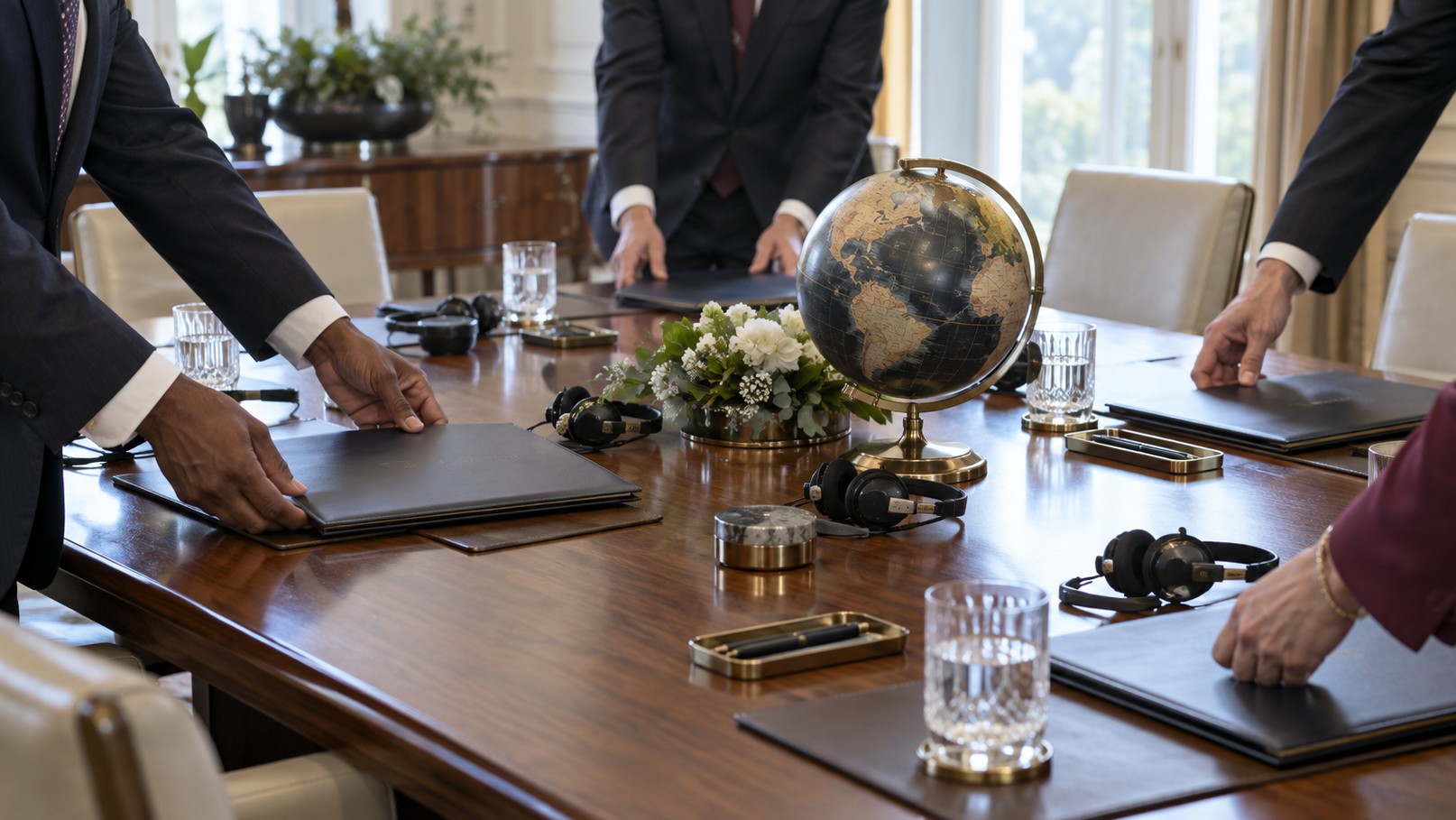
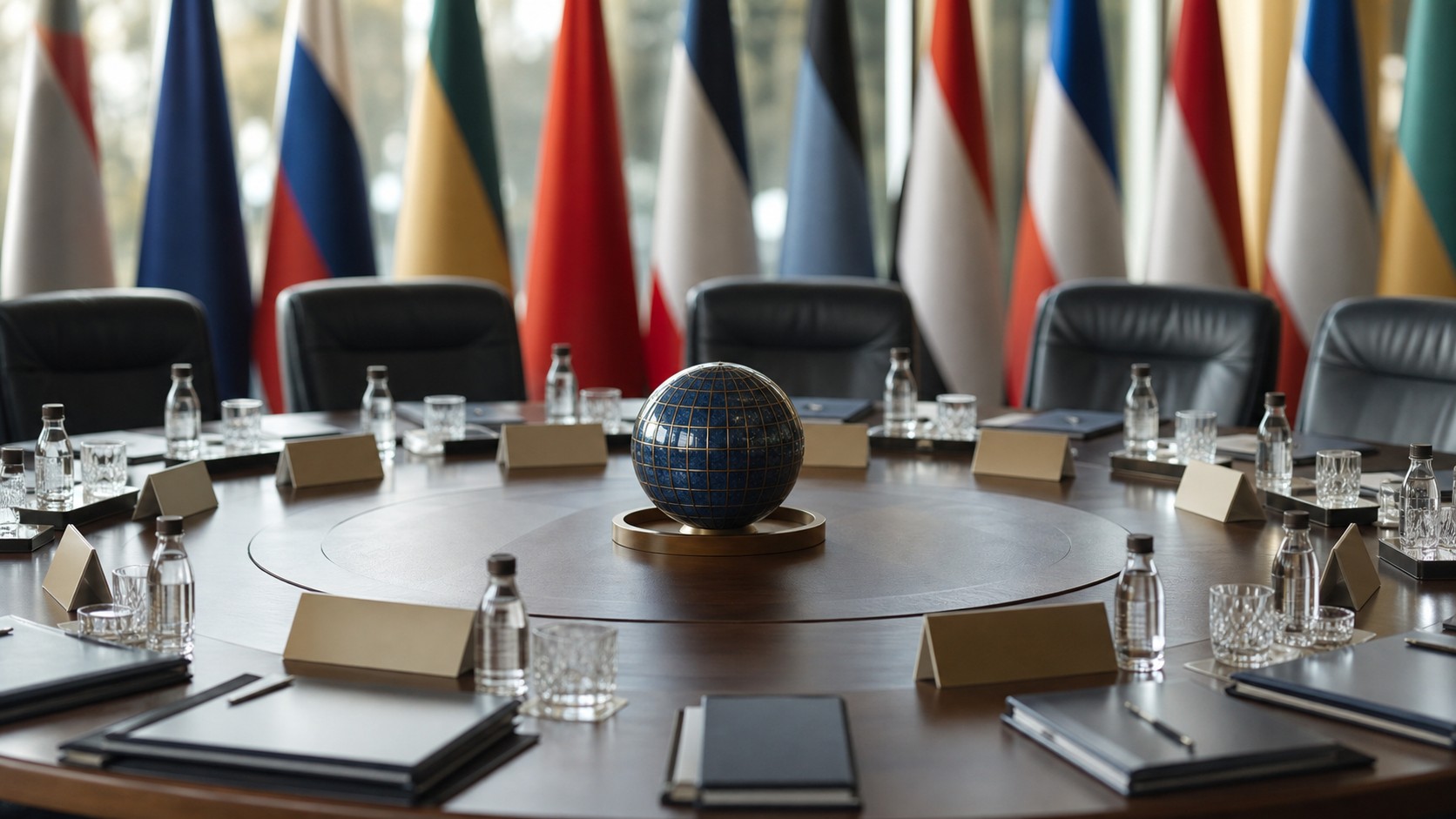
It can happen through embassies, summits, envoys, international organizations, back-channel talks, treaty negotiations, crisis hotlines, and routine technical meetings.
Much diplomatic work is quiet because success often means a crisis does not become visible or a dispute is managed before it grows.
Preventing Misunderstanding
Wars and crises can begin when states misread intentions, underestimate resolve, or assume that silence means weakness.
Diplomacy reduces that risk by sending signals, clarifying red lines, and giving leaders ways to step back without humiliation.
Clear communication does not guarantee peace, but it lowers the chance that confusion drives escalation.
Negotiation and Compromise
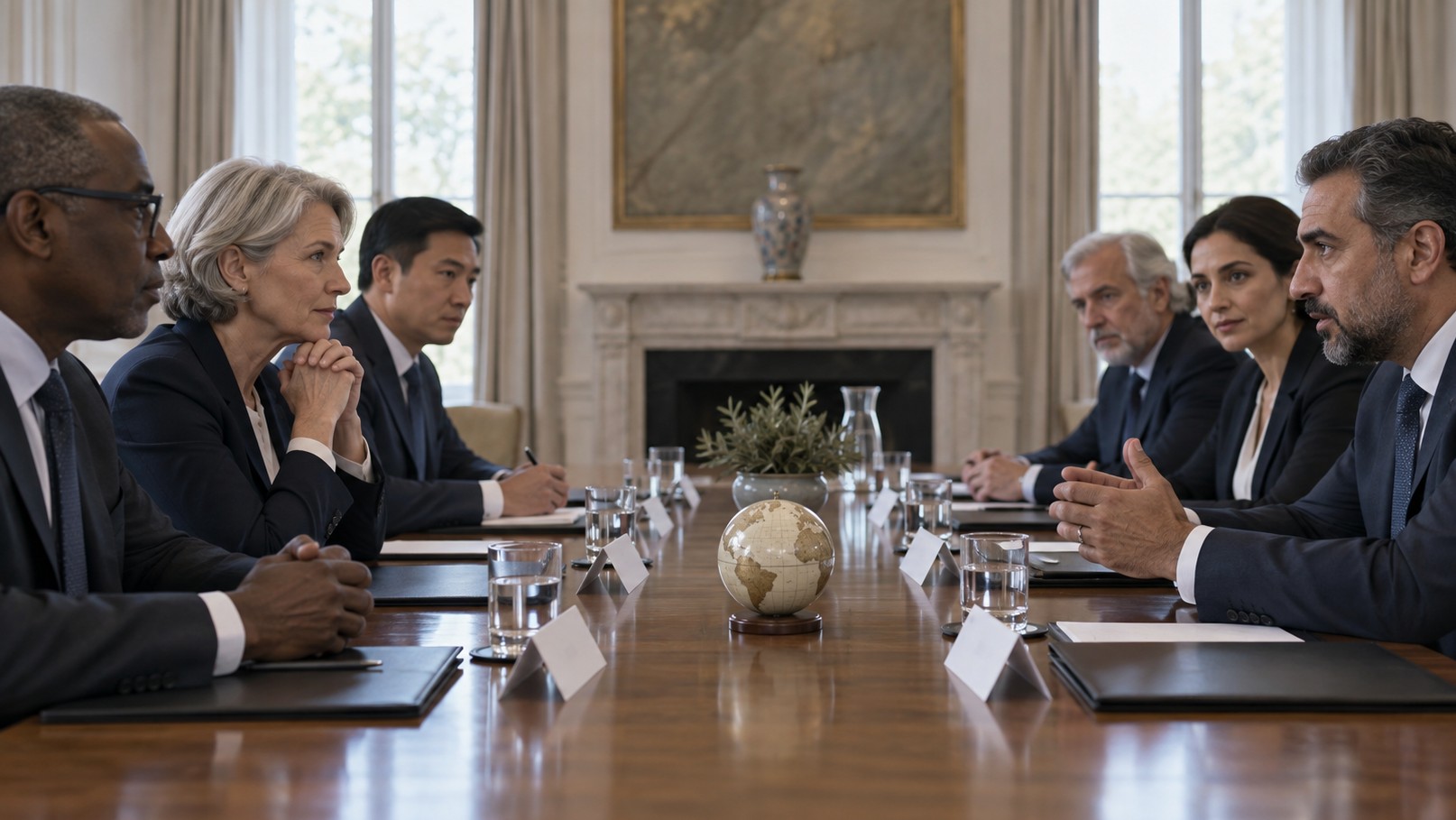
Diplomacy often requires compromise because states have different interests, domestic pressures, and security fears.
A successful negotiation identifies what each side needs most, what each side can trade, and what each side must be able to explain at home.
Compromise is not the same as surrender. It can be a way to protect core interests while avoiding larger costs.
Alliances and Partnerships
Diplomacy builds alliances and partnerships that coordinate security, trade, intelligence, disaster response, development, and technology.
Alliances need constant maintenance. Partners want consultation, reliability, burden sharing, and respect for their own domestic politics.
A neglected alliance can weaken even if the treaty remains on paper. Trust is built through repeated behavior.
Crisis Diplomacy
Crisis diplomacy happens when leaders and diplomats must act quickly under pressure. Military movements, hostage situations, border clashes, coups, disasters, and terrorist attacks can all require urgent communication.
In a crisis, the goal may be to slow events, open channels, create pauses, exchange information, or define off-ramps before violence spreads.
Good crisis diplomacy combines speed with discipline. A careless statement or misunderstood signal can make the situation worse.
Economic Diplomacy
Economic diplomacy uses trade, investment, sanctions, aid, debt relief, supply chains, energy policy, and development finance to shape relationships.
Countries negotiate market access, standards, tariffs, resource deals, and financial rules because economic connection can create both cooperation and leverage.
Economic diplomacy is strongest when it understands domestic effects. A trade deal that looks efficient nationally may still harm specific workers, regions, or industries.
Public Diplomacy
Public diplomacy is aimed at foreign publics, not only foreign governments. It uses culture, education, media, exchanges, science, and communication to build influence and trust.
A country’s reputation affects whether others believe its promises, accept its leadership, or want to cooperate with its institutions.
Public diplomacy fails when messaging contradicts visible behavior. Credibility requires alignment between words and actions.
Limits of Diplomacy
Diplomacy cannot solve every dispute. Some leaders prefer conquest, some regimes depend on conflict, and some disagreements involve values or territory that are extremely hard to divide.
Diplomacy also depends on leverage. A negotiator with no credible incentives or consequences may struggle to change behavior.
Still, even failed diplomacy can clarify positions, build coalitions, document refusal, and prepare the ground for later action.
Diplomacy After Conflict
Diplomacy remains essential after conflict because ceasefires, prisoner exchanges, reconstruction, borders, sanctions, refugees, and accountability all require negotiation.
Ending combat is not the same as building peace. Agreements need monitoring, funding, political inclusion, and ways to handle violations.
Post-conflict diplomacy tests whether enemies can move from battlefield logic to institutional arrangements that reduce the chance of renewed violence.
Back Channels
Back-channel diplomacy uses private or unofficial communication to explore possibilities before public negotiations begin.
These channels can help leaders test compromises without immediate political backlash. They can also reduce misunderstanding when official relations are frozen.
Back channels become dangerous when they evade lawful oversight or allow private actors to conduct public policy without accountability.
Diplomacy and Domestic Politics
Diplomats negotiate abroad, but leaders must sell agreements at home. Legislatures, courts, parties, media, industries, and voters can all limit what a government can accept.
A deal that makes sense internationally may fail if domestic audiences see it as weak, unfair, expensive, or inconsistent with national identity.
Good diplomacy therefore anticipates domestic politics on both sides. An agreement has to be not only signed, but politically survivable.
Diplomacy in International Organizations
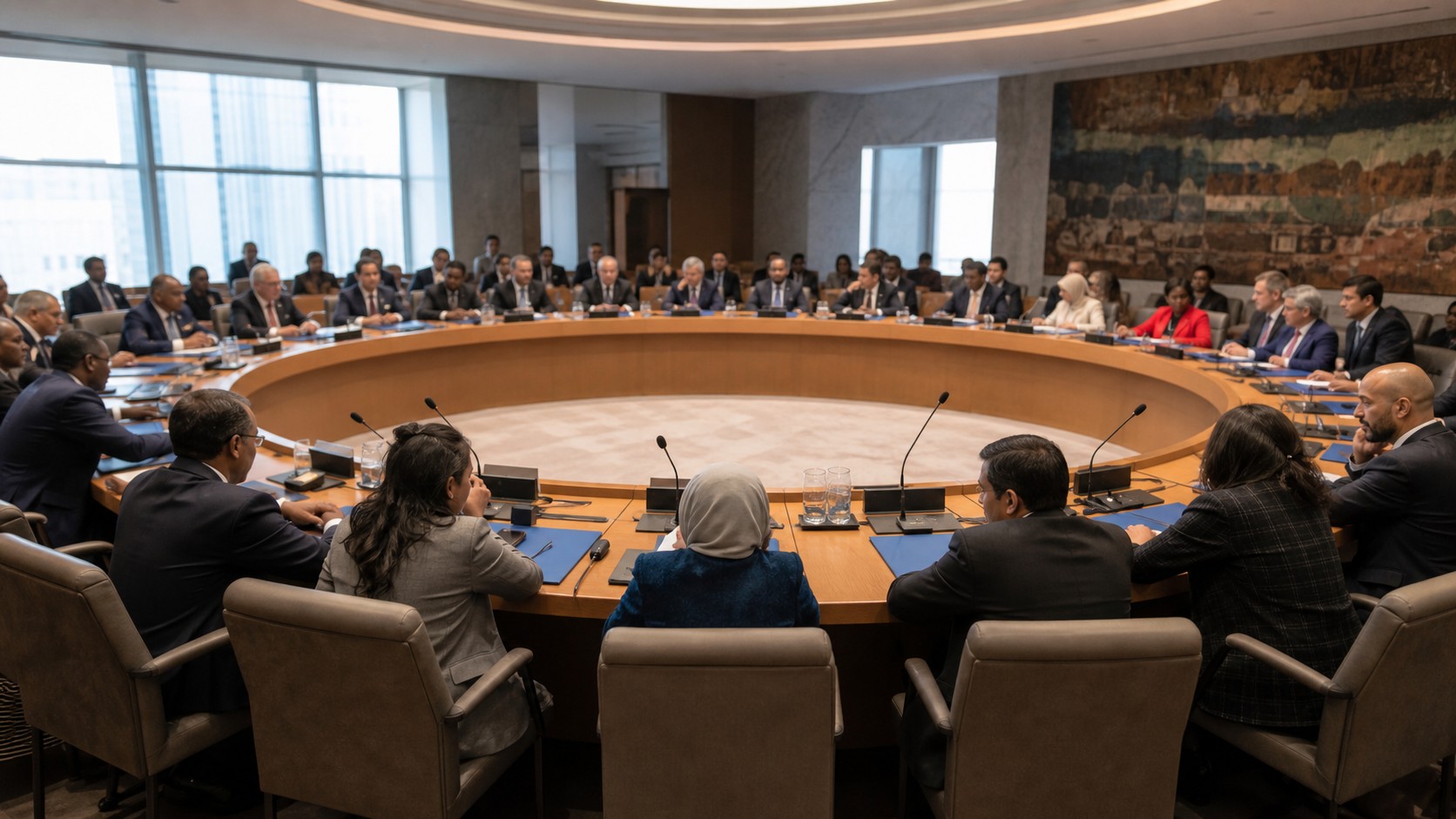
International organizations give diplomacy recurring forums. The United Nations, regional bodies, trade organizations, and security alliances let governments meet before every issue becomes a one-time crisis.
These forums create habits of contact, shared records, technical committees, and procedures for disagreement.
They do not remove power politics, but they make it easier for states to communicate, coordinate, and show the public where negotiations stand.
That routine contact can matter most during crisis, when officials need a familiar channel before fear hardens into escalation.
Diplomatic Signaling
Diplomatic signaling includes speeches, visits, sanctions, military exercises, treaty language, communiques, and private warnings that tell other governments how seriously a country views an issue.
Signals must be clear enough to be understood but careful enough to leave room for negotiation.
When signals are confused, rivals may miscalculate. When signals are too rigid, leaders may trap themselves in positions they cannot leave without embarrassment.
How to Judge Diplomatic Strategy
Ask what the diplomatic goal is: deterrence, agreement, delay, coalition building, crisis management, public legitimacy, or conflict resolution.
Then look at leverage. What can each side offer, threaten, accept, or explain to its own public?
Watch whether communication channels remain open even when public rhetoric is harsh. Quiet channels can prevent mistakes.
The best diplomacy connects principle to practical steps so agreements can survive beyond the photo opportunity.
Why This Topic Still Matters in Public Life
The practical value of How Diplomacy Prevents Conflict and Shapes Global Relations appears when people can connect the topic to institutions, decisions, and everyday consequences. The article’s main themes around Diplomacy, Prevents, and Conflict should help a reader see who has authority, what choices are available, and why the outcome matters beyond a headline or campaign phrase.
For How Diplomacy Prevents Conflict and Shapes Global Relations, institutional responsibility is the first anchor. The sections on back channels, diplomacy and domestic politics, and diplomacy in international organizations point to the offices, rules, habits, or political pressures that turn an abstract issue into action. That keeps the topic grounded in visible structures instead of leaving it as a broad opinion about public affairs.
The public-facing side of How Diplomacy Prevents Conflict and Shapes Global Relations is just as important. A voter, student, worker, official, business owner, or neighborhood group may experience the issue from a different angle. The topic becomes easier to judge when those encounters show what people can ask, challenge, use, support, or oppose.
The tradeoffs in How Diplomacy Prevents Conflict and Shapes Global Relations also deserve attention. The topic can involve speed, fairness, cost, liberty, security, representation, expertise, and trust at the same time. Strong public judgment comes from naming those tradeoffs plainly and showing why reasonable people may weigh them differently.
Accountability gives How Diplomacy Prevents Conflict and Shapes Global Relations its practical test. The article has to make clear which institution can act, which record can be checked, which promise can be tested, and which remedy exists if the system fails. That review works best when claims can be tied to named offices, published rules, timelines, and ways for the public to question the result. Without that trail, public language can sound impressive while leaving ordinary people unsure where responsibility actually sits.
That is why this topic should be read through consequences as well as definitions. The details in diplomatic signaling and how to judge diplomatic strategy matter because they show whether the topic affects a narrow procedural question, a durable public rule, or a broader argument about how power should be organized.
People do not need to memorize every technical term in How Diplomacy Prevents Conflict and Shapes Global Relations. It is enough to ask what changed, who benefits, who carries the burden, what safeguards exist, and whether the public can review the result. Those questions turn the subject into usable public knowledge.
Viewed that way, How Diplomacy Prevents Conflict and Shapes Global Relations becomes less about a single definition and more about responsible public judgment. The point is to understand how decisions are made, how they are limited, and how citizens can recognize whether the system is doing the work it claims to do.
History adds another layer to How Diplomacy Prevents Conflict and Shapes Global Relations. The meaning of the topic can change as institutions mature, public expectations shift, and later conflicts reveal weaknesses that were easier to miss at first. Looking at the subject over time helps readers separate temporary controversy from durable change.
Scale changes how How Diplomacy Prevents Conflict and Shapes Global Relations works. The same issue can look different in a capital city, a rural county, a court docket, or an agency service desk. A national argument may look simple from a distance, while local offices, courts, schools, agencies, or community groups experience the issue in uneven ways. The closer a reader gets to implementation, the easier it becomes to see why broad promises need practical design.
Language around How Diplomacy Prevents Conflict and Shapes Global Relations also has to be tested against action. If leaders describe the issue as reform, protection, freedom, stability, efficiency, or fairness, the next question is how that claim appears in budgets, deadlines, procedures, staff capacity, and public results.
A practical view of How Diplomacy Prevents Conflict and Shapes Global Relations leaves room for disagreement without making the subject vague. People may value Diplomacy, Prevents, and Conflict differently, but they can still argue from a clearer shared picture of what the institutions are doing and what consequences follow.
The lasting lesson from How Diplomacy Prevents Conflict and Shapes Global Relations is that public issues are rarely solved by one speech, one vote, one ruling, or one headline. The topic becomes understandable when people trace the connections among authority, incentives, implementation, oversight, and the people affected by the final decision.
For How Diplomacy Prevents Conflict and Shapes Global Relations, the strongest public explanation also keeps the human consequence in view. Institutions matter because they decide who waits, who pays, who receives protection, who gains access, who faces limits, and who has enough information to respond.
The subject also benefits from comparison. Looking at back channels beside diplomacy in international organizations shows whether the issue is mainly about design, leadership, legal authority, public behavior, or the friction between several forces at once.
That broader frame makes How Diplomacy Prevents Conflict and Shapes Global Relations more useful than a stand-alone definition. It gives the topic enough context to support judgment, enough detail to avoid oversimplifying, and enough practical grounding to keep the discussion connected to real public life.
Bottom Line on Diplomacy
Diplomacy prevents conflict by giving rivals ways to communicate, negotiate, signal limits, and build agreements before disputes become violence.
Its value is not that it always succeeds, but that it creates options between silence and force.