Elections Turn Public Choice Into Legitimate Government Through Rules, Ballots, Counting, and Trust
Elections are the process by which citizens choose leaders, approve measures, or make public decisions through ballots. They are central to democracy because they give people a peaceful way to grant, deny, or transfer power. But elections are not only election day. They require registration, candidate rules, ballot design, voting access, secure administration, counting, certification, dispute resolution, and public trust. A fair election depends on both participation and integrity.
A: Public decisions pass through rules, budgets, negotiations, legal review, and implementation limits.
A: No. A law creates authority, while policy includes the plans and actions used to carry it out.
A: Parties organize voters, candidates, agendas, committees, fundraising, and legislative priorities.
A: Yes, especially when it affects elections, coalitions, protests, media attention, or official legitimacy.
A: Courts interpret legal boundaries that shape what officials and agencies can do.
A: Reform has to survive law, funding, administration, opposition, and unintended consequences.
A: History, institutions, party systems, courts, budgets, and public values differ.
A: Ask who has authority, what rule changes, how it is funded, and how results are measured.
A: Local offices often handle services people experience directly, including zoning, schools, roads, and public safety.
A: Transparency, accountability, fair procedure, competent service, and public correction of mistakes.
The Purpose of Elections
Elections give citizens a regular way to choose representatives and hold leaders accountable.
They also create legitimacy. A government chosen through fair rules has a stronger claim to public authority than one imposed by force or inherited status.
Elections work best when losers believe the process was fair enough to accept defeat and compete again.
Voter Registration
Registration determines who appears on voter rolls and can receive a ballot.
Rules for registration vary, including deadlines, identification, automatic registration, same-day registration, and address updates.
Registration systems should protect accuracy without creating unnecessary barriers for eligible voters.
Candidates and Ballot Access
Election rules decide who can appear on the ballot. Candidates may need signatures, filing fees, party nominations, petitions, or primary victories.
Ballot access rules prevent chaos, but they can also protect established parties if made too restrictive.
A fair system balances manageable ballots with real opportunities for competition.
Campaigns
Campaigns help voters learn about candidates, parties, policies, and public records.
Campaign quality depends on information, debates, media coverage, advertising, voter contact, and transparency about money.
A campaign can inform or manipulate. Citizens need access to accurate information before casting ballots.
Voting Methods
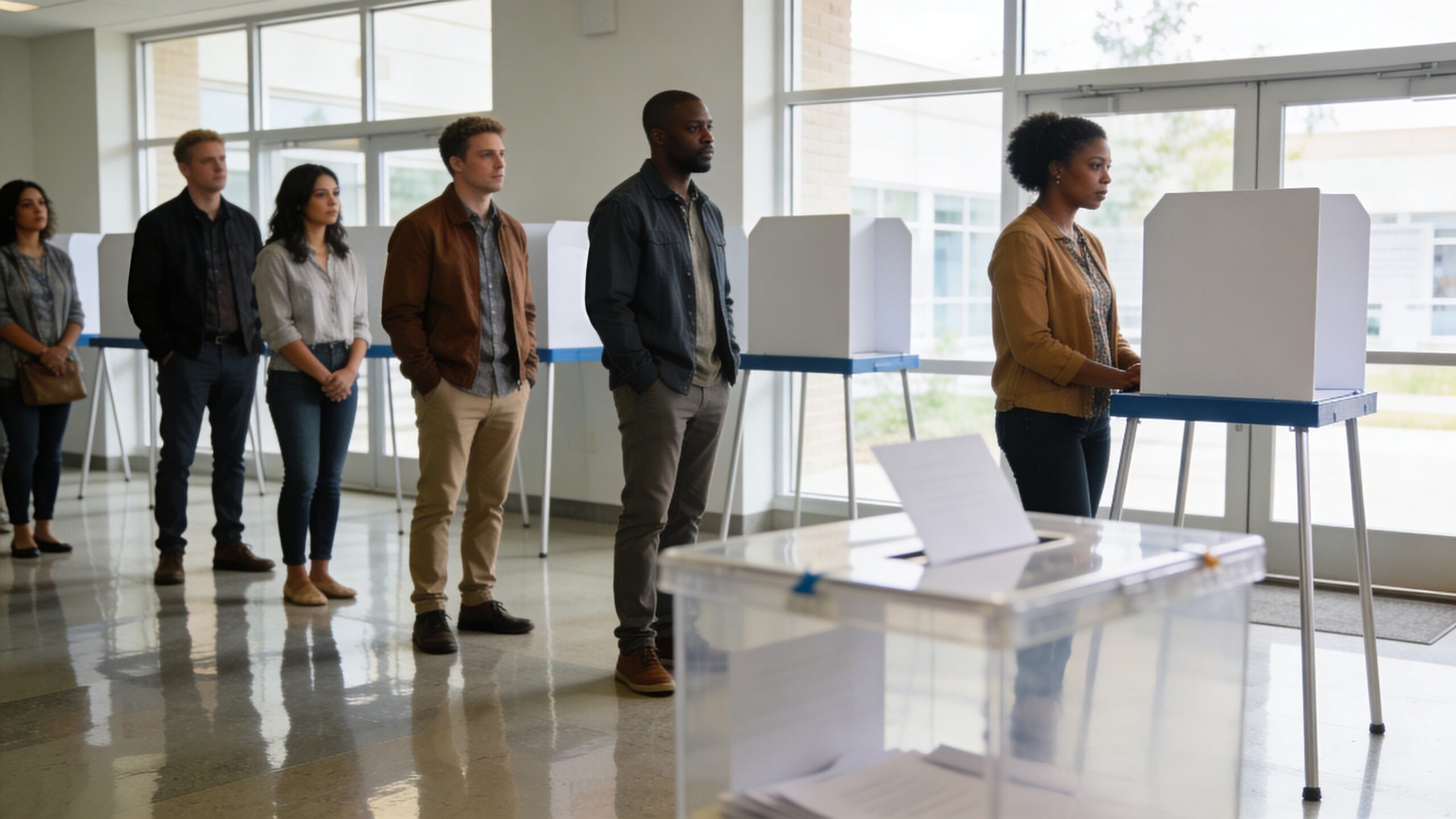
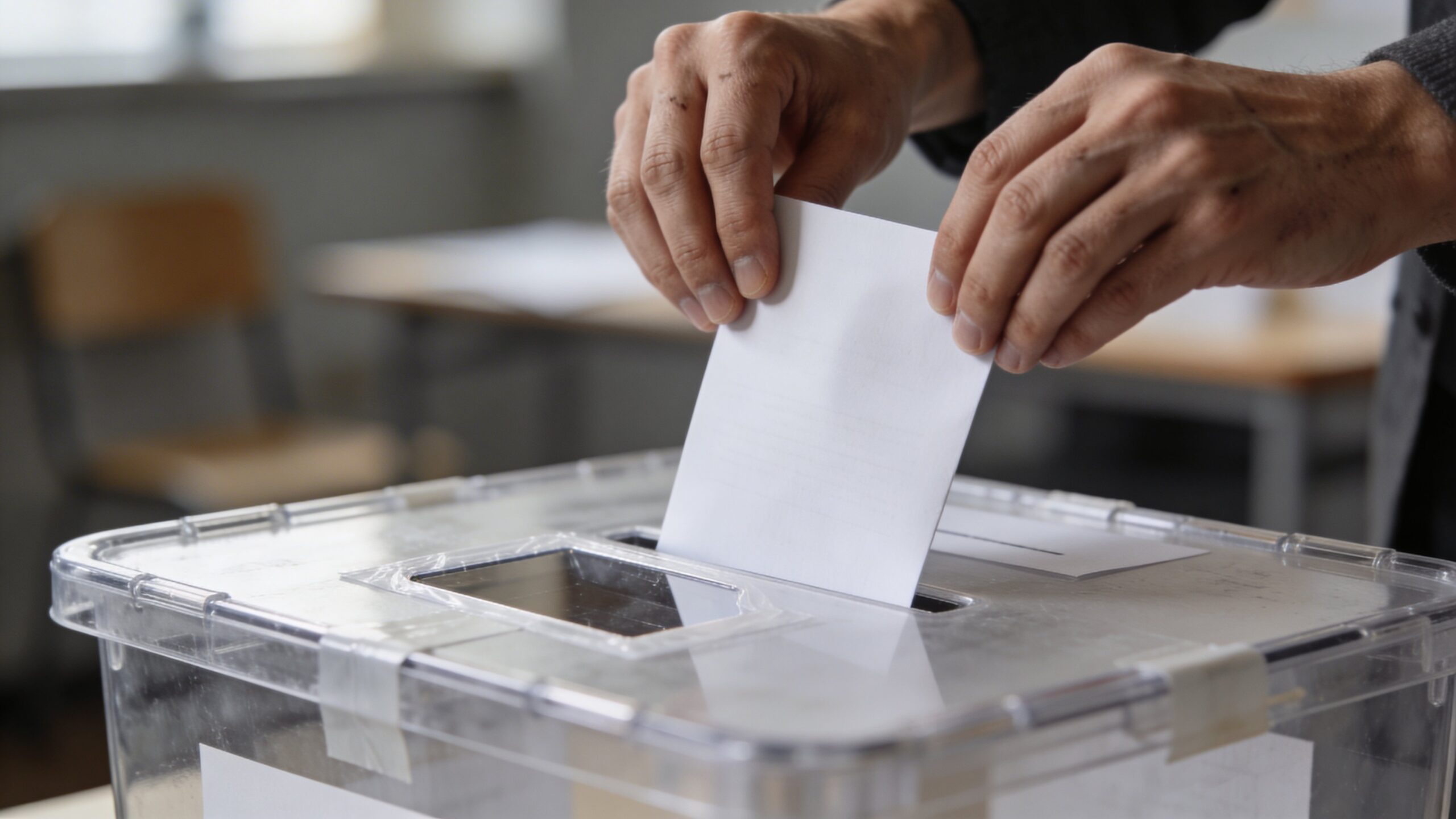
Voting may happen in person on election day, early in person, by mail, absentee, or through other approved methods.
Each method has rules for identity, eligibility, ballot handling, deadlines, and verification.
The goal is to make voting accessible while protecting the ballot from loss, coercion, or fraud.
Counting Ballots
Counting requires chain of custody, trained workers, secure equipment, bipartisan or nonpartisan observation, reconciliation, and documented procedures.
Close elections may require recounts or audits to confirm accuracy.
Counting can take time, especially when mail ballots, provisional ballots, or cure processes are involved.
Certification
Certification is the official confirmation of election results after votes are counted and legal procedures are complete.
It is usually an administrative step, not a chance to reject results because officials dislike the outcome.
Certification matters because power cannot transfer peacefully if official results are endlessly contested without evidence.
Disputes and Courts
Election disputes can involve eligibility, ballot design, deadlines, recounts, campaign conduct, district boundaries, or alleged irregularities.
Courts may resolve legal disputes, but they rely on evidence and law rather than rumor.
A healthy election system gives candidates ways to challenge real problems without turning every loss into a crisis.
Trust and Transparency
Election trust comes from clear rules, public observation, accurate records, audits, professional administrators, and honest communication.
Misinformation can damage trust even when the election was administered well.
Transparency helps the public see how the process works, which is often the best answer to suspicion.
Election Administration
Election administration includes recruiting poll workers, testing equipment, printing ballots, securing supplies, training staff, answering voters, and handling emergencies.
Most of that work happens before anyone sees results on election night.
Good administration makes the process resilient when turnout is high, weather is bad, machines fail, or misinformation spreads.
Local Rules and National Stakes
Elections often feel national, but many details are handled locally under state or regional law.
That creates variation in deadlines, ballot design, voter identification, mail voting, recounts, and certification schedules.
Variation can be confusing, but it also means election systems need local competence as well as national confidence.
Peaceful Transfer of Power
The final purpose of an election is not only to count votes. It is to let political power change hands without violence or personal rule.
That requires losers to accept lawful results, winners to respect limits, and institutions to keep working after the campaign ends.
A democracy is strongest when election procedures make competition intense but transfer of authority orderly.
Ballot Questions and Local Offices
Elections are not only contests for high office. Many ballots include judges, sheriffs, school boards, city councils, tax measures, bonds, initiatives, and constitutional amendments.
These choices can shape daily life as much as national offices because they affect schools, roads, policing, courts, utilities, libraries, and local budgets.
A careful voter looks beyond the top of the ballot and asks what each office or question actually controls.
After the Results
After results are certified, elected officials still must govern through budgets, appointments, hearings, rules, and public oversight.
Campaign promises meet legal limits, staffing realities, financial constraints, and opposition from other branches or levels of government.
Understanding elections therefore includes understanding the work that follows, because voting chooses authority but does not automatically solve every public problem.
How to Judge an Election System
Ask whether eligible voters can participate, whether ballots are secure, whether counting is transparent, and whether disputes have lawful procedures.
Look at access and integrity together. A system that excludes voters is not fair, and a system that cannot verify results will not be trusted.
Watch how officials communicate delays, errors, and corrections. Honest explanation protects trust.
The strongest election systems make participation possible and results credible.
For any election story, separate ordinary administrative timing from actual irregularity. Slow counting, close margins, provisional ballots, and recounts can be normal parts of a lawful process.
A strong election system also teaches the public how it works before conflict arrives, because explanations offered only after a disputed result may come too late to calm suspicion.
That public understanding is part of election security, not a decorative extra.
Why This Topic Still Matters in Public Life
How Elections Work: From Ballots to Results becomes clearer when the subject is treated as a working public system rather than a slogan. The article’s main themes around Elections, Work, and Ballots should help a reader see who has authority, what choices are available, and why the outcome matters beyond a headline or campaign phrase.
For How Elections Work: From Ballots to Results, institutional responsibility is the first anchor. The sections on local rules and national stakes, peaceful transfer of power, and ballot questions and local offices point to the offices, rules, habits, or political pressures that turn an abstract issue into action. That keeps the topic grounded in visible structures instead of leaving it as a broad opinion about public affairs.
The public-facing side of How Elections Work: From Ballots to Results is just as important. The public may encounter the issue through school rules, taxes, permits, public safety, campaign messages, legal rights, or international events. The topic becomes easier to judge when those encounters show what people can ask, challenge, use, support, or oppose.
The tradeoffs in How Elections Work: From Ballots to Results also deserve attention. The topic can involve speed, fairness, cost, liberty, security, representation, expertise, and trust at the same time. Strong public judgment comes from naming those tradeoffs plainly and showing why reasonable people may weigh them differently.
Accountability gives How Elections Work: From Ballots to Results its practical test. The article has to make clear which institution can act, which record can be checked, which promise can be tested, and which remedy exists if the system fails. That review should make responsibility visible enough that people can tell whether a promise became action or stopped at rhetoric. Without that trail, public language can sound impressive while leaving ordinary people unsure where responsibility actually sits.
That is why this topic should be read through consequences as well as definitions. The details in after the results and how to judge an election system matter because they show whether the topic affects a narrow procedural question, a durable public rule, or a broader argument about how power should be organized.
People do not need to memorize every technical term in How Elections Work: From Ballots to Results. It is enough to ask what changed, who benefits, who carries the burden, what safeguards exist, and whether the public can review the result. Those questions turn the subject into usable public knowledge.
Viewed that way, How Elections Work: From Ballots to Results becomes less about a single definition and more about responsible public judgment. The point is to understand how decisions are made, how they are limited, and how citizens can recognize whether the system is doing the work it claims to do.
History adds another layer to How Elections Work: From Ballots to Results. The meaning of the topic can change as institutions mature, public expectations shift, and later conflicts reveal weaknesses that were easier to miss at first. Looking at the subject over time helps readers separate temporary controversy from durable change.
Scale changes how How Elections Work: From Ballots to Results works. A broad debate may hide the local steps, staff capacity, records, and appeal paths that determine how the issue works in practice. A national argument may look simple from a distance, while local offices, courts, schools, agencies, or community groups experience the issue in uneven ways. The closer a reader gets to implementation, the easier it becomes to see why broad promises need practical design.
Language around How Elections Work: From Ballots to Results also has to be tested against action. If leaders describe the issue as reform, protection, freedom, stability, efficiency, or fairness, the next question is how that claim appears in budgets, deadlines, procedures, staff capacity, and public results.
A practical view of How Elections Work: From Ballots to Results leaves room for disagreement without making the subject vague. People may value Elections, Work, and Ballots differently, but they can still argue from a clearer shared picture of what the institutions are doing and what consequences follow.
The lasting lesson from How Elections Work: From Ballots to Results is that public issues are rarely solved by one speech, one vote, one ruling, or one headline. The topic becomes understandable when people trace the connections among authority, incentives, implementation, oversight, and the people affected by the final decision.
For How Elections Work: From Ballots to Results, the strongest public explanation also keeps the human consequence in view. Institutions matter because they decide who waits, who pays, who receives protection, who gains access, who faces limits, and who has enough information to respond.
The subject also benefits from comparison. Looking at local rules and national stakes beside ballot questions and local offices shows whether the issue is mainly about design, leadership, legal authority, public behavior, or the friction between several forces at once.
That broader frame makes How Elections Work: From Ballots to Results more useful than a stand-alone definition. It gives the topic enough context to support judgment, enough detail to avoid oversimplifying, and enough practical grounding to keep the discussion connected to real public life.
Bottom Line on Elections
Elections turn public choice into legitimate government through registration, campaigning, voting, counting, certification, and dispute resolution.
They depend on both access and integrity because democracy requires citizens to vote and trust that votes are counted fairly.