The Meaning Behind a Simple Act
Voting can look deceptively simple. A person walks into a polling place, fills out a ballot, submits a choice, and leaves. In a few quiet minutes, the act is complete. Yet beneath that brief moment sits one of the most powerful ideas in civic life: the belief that ordinary people should have a direct role in shaping how they are governed. Voting is the bridge between personal opinion and public power. It is how millions of individual choices are gathered, counted, and transformed into decisions that affect communities, states, and entire nations. For beginners, voting can seem surrounded by rules, procedures, and political language that make it feel distant or complicated. But at its core, voting is simply a formal way for people to express a choice in matters of government and representation. It is the process through which citizens select leaders, weigh in on laws or policies, and help decide the direction of public life. Once that basic idea becomes clear, the rest of the system starts to make more sense.
A: Voting is the official process people use to make choices in elections and public decisions.
A: It helps determine who governs and what policies move forward.
A: A ballot is the form or system used to record a voter’s selection.
A: No, voting also happens in state, local, and special elections.
A: Representation means elected officials make decisions on behalf of the public.
A: Privacy protects voters from pressure and helps preserve independent choice.
A: Your ballot is collected, counted, verified, and included in the final result.
A: Yes, they often shape schools, services, roads, and community policy directly.
A: Yes, election procedures often differ by state, region, or jurisdiction.
A: It is the process that turns individual civic choice into collective public decision-making.
What Voting Actually Is
Voting is a method for making collective decisions. When a society needs to choose who should lead, what laws should be approved, or how public resources should be directed, voting provides a structured process for gathering the preferences of many people. Instead of leaving power in the hands of a single ruler or a small closed group, a voting system allows a broader population to take part in decision-making.
That does not mean every vote decides every issue directly. In many democracies, people vote for representatives who then make decisions on their behalf. In other cases, voters may cast ballots on specific proposals, amendments, or local measures. Either way, the principle remains the same: voting is the system that turns public participation into legitimate political action. It gives authority to leaders, legitimacy to institutions, and direction to policy.
Why Voting Matters in Civic Life
Voting matters because it shapes real outcomes. It affects who writes laws, who enforces them, how taxes are spent, what schools are funded, which roads are built, and what priorities receive attention. The connection between a ballot and daily life is not always obvious in the moment, but it is constant. Elections help determine the people and policies that influence education, healthcare, transportation, safety, housing, and countless other parts of society. Voting also matters because it creates accountability. Leaders in a voting system know they may face the public again. That possibility changes how power works. It creates pressure to listen, respond, and persuade. Without voting, authority can become insulated from the people it affects. With voting, power remains tied, at least in part, to public approval. Even when one person’s vote does not seem decisive on its own, it contributes to a larger mechanism that keeps government connected to the governed.
The Idea of Representation
One of the most important ideas behind voting is representation. In large societies, it is usually not practical for every citizen to vote on every public decision every day. Instead, people elect representatives who act in legislative bodies, executive offices, and local institutions. These representatives are meant to carry the interests, concerns, and priorities of the people who selected them.
Representation is not just about choosing a name on a ballot. It is about deciding who will speak, negotiate, vote, and lead in spaces where important decisions are made. When people vote, they are often choosing not only a person but also a style of leadership, a set of values, and an approach to governing. Understanding this makes voting feel less like a one-time event and more like a decision about who should hold public responsibility.
Who Gets to Vote
The right to vote is one of the most important features of democratic life, but it is usually tied to legal requirements. In most systems, voters must meet eligibility rules related to age, citizenship, residency, and registration. These rules exist to define who belongs to the voting population in a given jurisdiction and to organize elections fairly. The history of voting shows that access to the ballot has often expanded over time. Many societies began with narrow voting rights limited to certain groups, then gradually widened participation through reform, activism, and law. That history matters because it reminds us that voting is not only a procedure but also a civic right shaped by struggle, debate, and changing ideas about equality and citizenship. For beginners, understanding who can vote is part of understanding how a democracy defines membership and power.
How Voting Works on Election Day
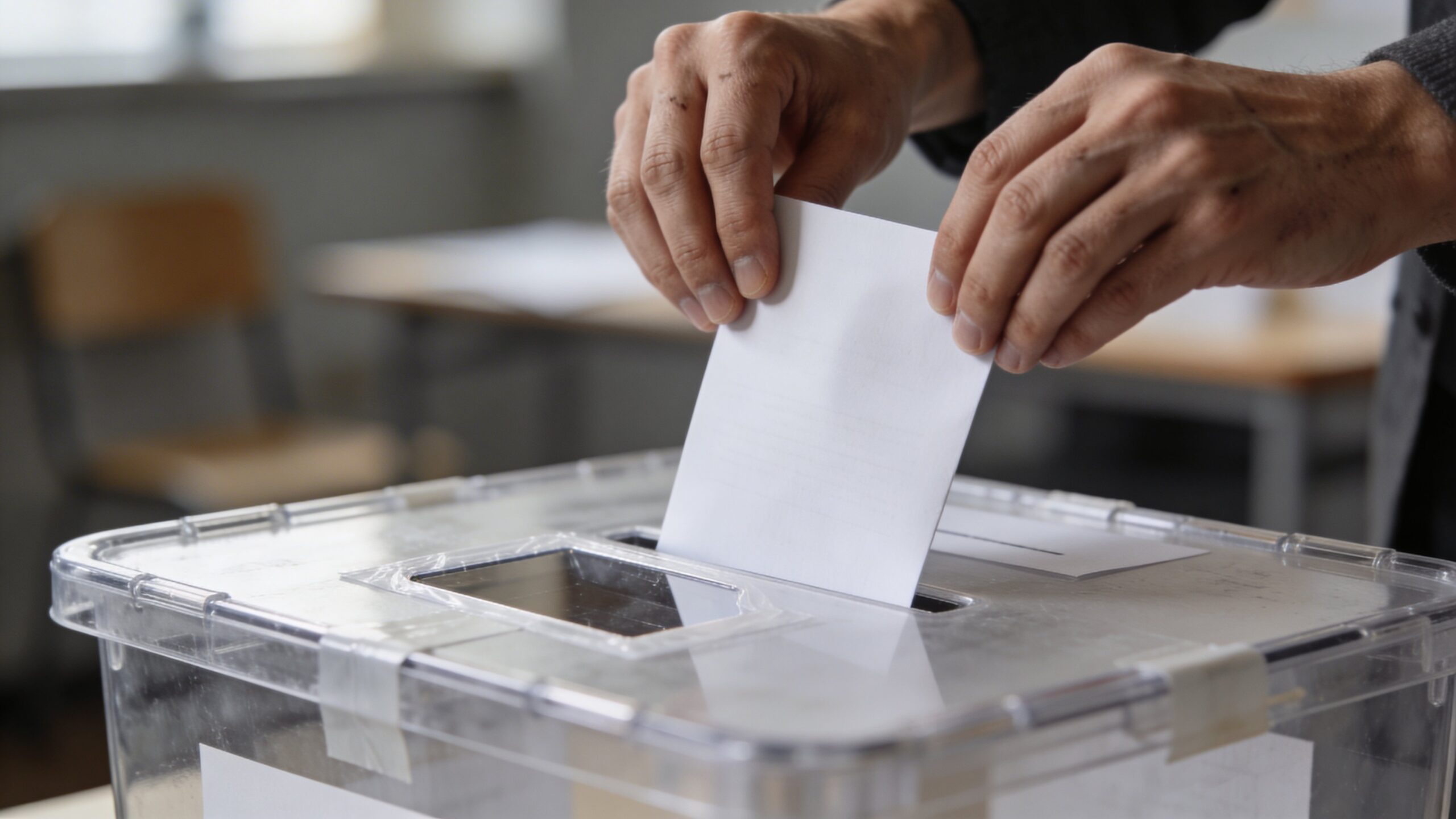
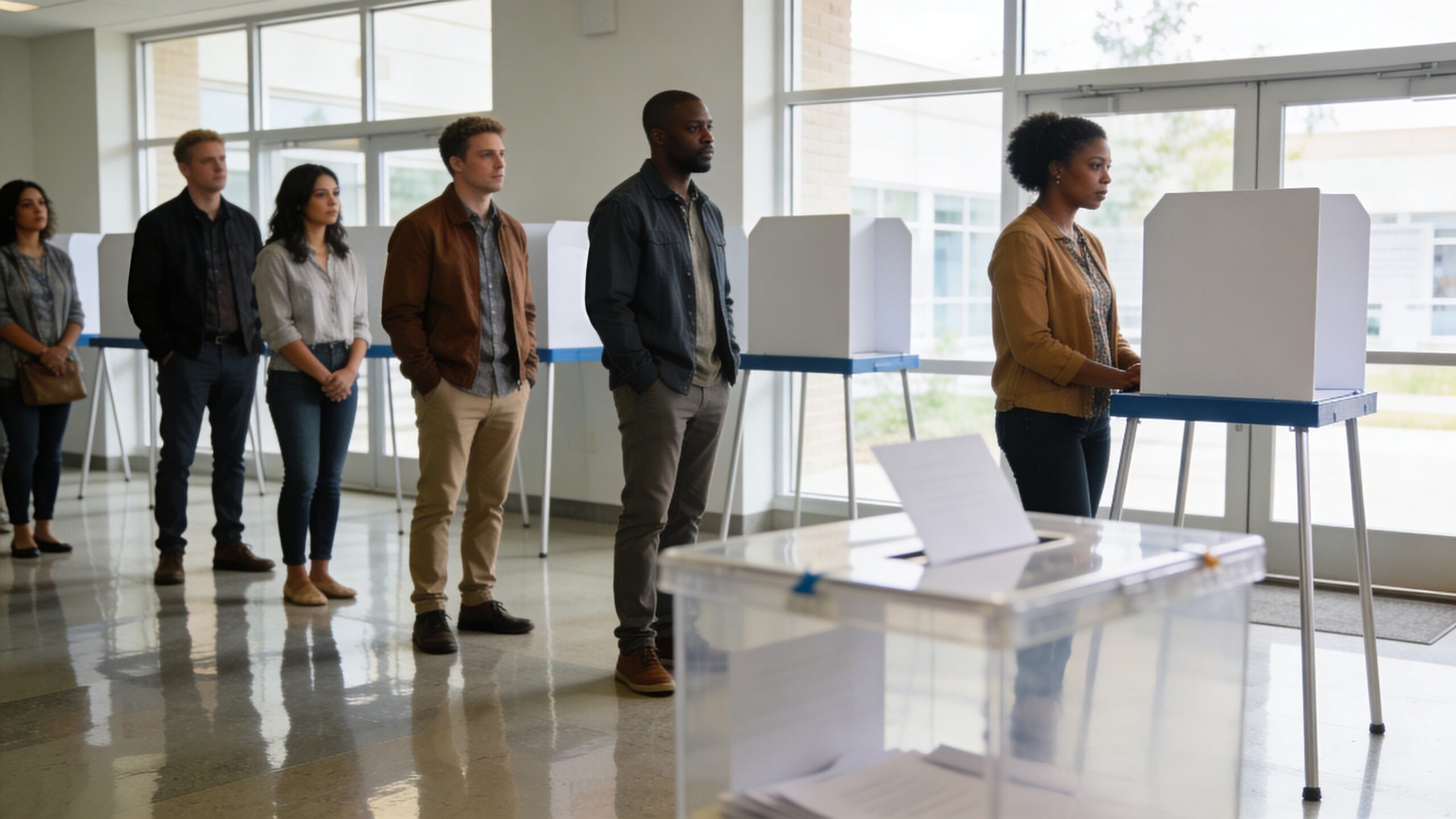
On election day, the voting process usually follows a clear sequence. A voter arrives at a polling place or submits a ballot through an approved method such as mail-in voting or early voting. Election workers verify eligibility, provide access to the ballot, and ensure the voter can cast a choice privately and securely. Once the ballot is completed, it is submitted for counting according to the rules of that election.
The experience is designed to balance privacy, order, and trust. Privacy matters because voters should be free to make choices without pressure or surveillance. Security matters because each vote must be protected from tampering or duplication. Clarity matters because voters need to understand what they are choosing and how to record that choice correctly. Even though the process may vary by place, the purpose remains consistent: to gather valid choices in a way that is accessible, fair, and trustworthy.
What a Ballot Does
A ballot is the tool that captures a voter’s choice. It may be paper-based, machine-assisted, or digitally recorded depending on the system in use, but its purpose is always the same. It presents the options available in an election and allows a voter to indicate a selection in a formal, countable way. Ballots can include candidates for office, party choices, constitutional amendments, referendums, and local measures. Good ballot design is more important than many beginners realize. The wording, structure, layout, and sequence of choices can affect whether voters clearly understand what they are being asked. A well-designed ballot helps prevent confusion and supports accurate participation. In this sense, voting is not only about opinion but also about communication. The ballot is the place where intention becomes record.
Different Types of Voting Systems
Not all voting systems operate the same way. In some elections, the candidate with the most votes wins, even if that total is less than half of all votes cast. In others, a candidate may need a majority, which can lead to runoffs or additional rounds of counting. Some systems allow voters to rank candidates in order of preference, while others divide seats proportionally based on overall vote share.
These differences matter because the same set of public preferences can produce different outcomes depending on the rules used. A beginner’s guide to voting is incomplete without this idea. Voting is not just about choosing; it is also about how those choices are translated into winners, seats, and governing authority. The design of the system shapes the meaning of the result.
Voting Beyond National Elections
Many people first think about voting in terms of major national elections, but voting happens across multiple layers of civic life. Citizens may vote in local elections for mayors, school board members, judges, county officials, and city council representatives. They may vote in state elections, regional elections, and special elections held outside the regular cycle. In some places, they also vote on bond measures, tax proposals, and constitutional amendments. These smaller or less publicized elections can have immediate effects on everyday life. Local officials often make decisions that touch neighborhoods directly, from zoning and infrastructure to policing and education. For beginners, this is one of the most useful things to understand: voting is not only about the biggest office on the ballot. It is about the full structure of public decision-making, from the national level down to the community block.
Why People Choose Not to Vote
Understanding voting also means understanding why some people do not participate. Sometimes the reason is logistical. Registration deadlines, transportation barriers, work schedules, lack of information, or confusion about the process can make voting harder than it appears. In other cases, the reason is emotional or philosophical. Some people feel disconnected from politics, doubtful that their vote matters, or frustrated by the available choices.
These feelings are real, but they do not erase the impact of participation. When fewer people vote, the outcome reflects a smaller slice of the public. That can magnify the influence of highly motivated groups while reducing the representation of others. In this way, nonparticipation is not neutral. It changes the shape of the electorate and can shift who holds power. Learning about voting includes seeing how turnout itself becomes part of the political story.
How Votes Become Results
Once voting ends, the next stage begins: counting, verifying, and reporting results. Ballots are collected through secure procedures and processed according to established rules. Some are scanned electronically, some are counted by hand, and many systems use a combination of methods. In close contests or large jurisdictions, results may take time as officials verify totals, review provisional ballots, and process ballots submitted through approved alternative methods. This stage is essential because public trust depends on accuracy. A result is not meaningful if people do not believe the process was secure and fair. That is why election systems often include audits, observers, recount procedures, and certification steps. Voting is not finished when the ballot is cast. It is finished when the public can see that every valid vote was handled according to the rules and that the final outcome is legitimate.
The Emotional Power of Voting
Voting is also emotional. For some, it represents hope. For others, duty. For many, it is a connection to struggles that came before them, including movements that fought to expand voting rights and remove barriers to participation. Casting a ballot can feel routine, but it can also feel deeply meaningful because it places the voter inside a larger civic story.
That emotional dimension matters because democracy is not sustained by procedure alone. It is sustained by belief: belief that participation matters, that institutions should answer to the public, and that collective decisions should emerge from lawful, visible, peaceful processes rather than force or exclusion. Voting turns that belief into action. It allows people to say, in a formal and equal way, that their voice belongs in the future being built.
Common Misunderstandings About Voting
One of the most common misunderstandings is that voting only matters in large, dramatic races. In reality, many important outcomes are shaped in lower-profile elections, local contests, and issue-based ballots. Another misunderstanding is that a single vote has no value. While one vote rarely changes a large election alone, every election result is built from individual votes gathered together. Collective outcomes exist only because individual participation happened first. A third misunderstanding is that voting begins and ends on election day. In truth, voting is part of a broader civic process that includes registration, information, debate, campaigning, administration, counting, and certification. Seeing voting as part of a complete system helps beginners understand why election rules, access, ballot design, and transparency all matter so much.
How to Approach Voting as a Beginner
For a first-time voter, the best approach is to think of voting as preparation meeting opportunity. Preparation means learning what offices and issues are on the ballot, understanding where and how to vote, and knowing the deadlines and rules that apply. Opportunity means recognizing that elections create a structured moment when public voice can directly affect public power.
Beginners do not need to know everything to start participating. They only need a basic understanding of what voting is, why it exists, and how their choice fits into the wider system. From there, each election becomes easier to navigate. Confidence grows with experience, and the process becomes less mysterious.
The Bigger Meaning of the Ballot
In the end, voting is one of the clearest expressions of civic membership. It says that people are not merely subjects of decisions made elsewhere. They are participants in deciding who governs, what policies move forward, and how representation should work. A ballot may be small, but what it carries is enormous. It carries preference, judgment, hope, frustration, memory, and expectation all at once. That is why voting remains such a central part of civic life. It is not perfect, and it does not solve every problem, but it creates a lawful, peaceful, and public way for societies to make choices together. For beginners, that is the essential truth to remember. Voting is the process through which private belief becomes public direction. It is how individuals step into the shared project of self-government and leave a mark on what comes next.