The Quiet Force Behind World Affairs
Diplomacy is one of the most powerful forces in the modern world, even though it often works far from public view. It does not usually arrive with the noise of battle, the spectacle of elections, or the speed of breaking news. Instead, diplomacy operates through meetings, messages, negotiations, and carefully chosen words. It is the method countries use to manage disagreements, build partnerships, protect interests, and avoid unnecessary conflict. When diplomacy works well, crises cool down, trade expands, and cooperation becomes possible. When it fails, the consequences can shape history. For beginners, diplomacy can seem like a distant subject reserved for presidents, ambassadors, and foreign ministries. In reality, it affects daily life in more ways than most people realize. Energy prices, travel access, trade routes, military alliances, sanctions, climate agreements, and even internet rules can all be influenced by diplomacy. Understanding what diplomacy is and how it works offers a clearer view of global relations and the systems that connect nations in a complex and competitive world.
A: It is the practice of managing international relationships through negotiation, dialogue, and representation.
A: Governments, diplomats, ambassadors, leaders, and international organizations all use it.
A: No, it also includes trade, security, culture, development, and crisis management.
A: An ambassador is an official representative of one country in another country.
A: It helps countries solve problems, reduce tensions, and build cooperation.
A: It is diplomacy conducted directly between two countries.
A: It involves several countries working together on shared issues or agreements.
A: No, but even unsuccessful talks can preserve communication and reduce risks.
A: It influences trade, travel, security, energy, and many global rules that shape daily life.
A: Yes, it remains essential in a connected world facing shared challenges and rising competition.
What Is Diplomacy?
At its simplest, diplomacy is the practice of managing relationships between countries through communication, negotiation, and representation rather than force. It is the process by which governments express their positions, defend their interests, seek compromise, and build cooperation with other states. Diplomacy gives countries a structured way to engage each other even when their values, goals, or political systems are very different.
Diplomacy is not limited to peacemaking. It includes trade talks, cultural exchanges, security arrangements, treaty negotiations, border discussions, development partnerships, and crisis management. It can be formal, such as a summit between heads of state, or informal, such as quiet backchannel conversations between negotiators. In every form, diplomacy is built on communication. It is the language of international relations, and it often determines whether a disagreement becomes a settlement or a standoff.
Why Diplomacy Matters in Global Relations
Global relations are shaped by competing interests. Every country has its own economic needs, political priorities, security concerns, and strategic ambitions. Without diplomacy, those differences would be much harder to manage. Diplomacy allows nations to pursue their goals without immediately resorting to confrontation. It provides the space where pressure, persuasion, compromise, and cooperation can all take place.
The importance of diplomacy becomes especially clear during moments of tension. A trade dispute can escalate into economic retaliation. A territorial disagreement can lead to military risk. A humanitarian crisis can spill across borders and destabilize entire regions. Diplomacy creates channels through which those problems can be addressed before they grow more dangerous. It does not guarantee agreement, but it gives countries a way to keep talking when other options become more costly.
Diplomacy also matters because the world is deeply interconnected. Supply chains cross continents. Security threats move across regions. Environmental problems ignore borders. Health crises spread quickly. No major country can isolate itself from global events for long. Diplomacy is how nations coordinate responses to shared challenges and protect their interests in an interdependent world.
The Core Goals of Diplomacy
Every diplomatic effort is shaped by goals. Some of these goals are immediate, while others are long-term. A country may use diplomacy to prevent conflict, open export markets, attract investment, secure military support, reduce tensions with a rival, or strengthen its international standing. In other cases, diplomacy is used to build trust slowly over time or create the foundation for larger agreements in the future.
One major goal of diplomacy is stability. Governments generally prefer predictability in international affairs because stability supports trade, investment, security planning, and domestic confidence. Another key goal is influence. Countries use diplomacy to shape decisions beyond their borders and persuade others to support their preferred outcomes. A third goal is protection. Diplomacy helps states defend their citizens abroad, secure access to resources, and protect national interests without relying only on coercion. These goals can overlap. A single diplomatic initiative might reduce the risk of war, improve trade ties, and increase a country’s influence at the same time. That is part of what makes diplomacy both subtle and strategic.
Who Practices Diplomacy?
Diplomacy is most commonly associated with diplomats, ambassadors, and foreign ministers, but the field is much broader than that. Heads of state often play a direct diplomatic role through summits, calls, and official visits. National security advisors, trade representatives, defense officials, and legal experts are frequently involved in high-level negotiations. International organizations also contribute, especially when complex issues require coordination among many countries.
Ambassadors are central figures in diplomacy because they represent one country in another. Their role includes reporting on political developments, maintaining relationships with local officials, promoting national interests, and helping manage bilateral ties. Embassies serve as physical and political outposts of diplomacy, offering a place where communication can continue even during difficult periods.
Today, diplomacy is also influenced by non-state actors. International institutions, humanitarian groups, business leaders, think tanks, and even technology platforms can shape diplomatic outcomes. While governments remain the primary actors, global relations now involve a wider network of participants than in previous generations.
The Different Types of Diplomacy
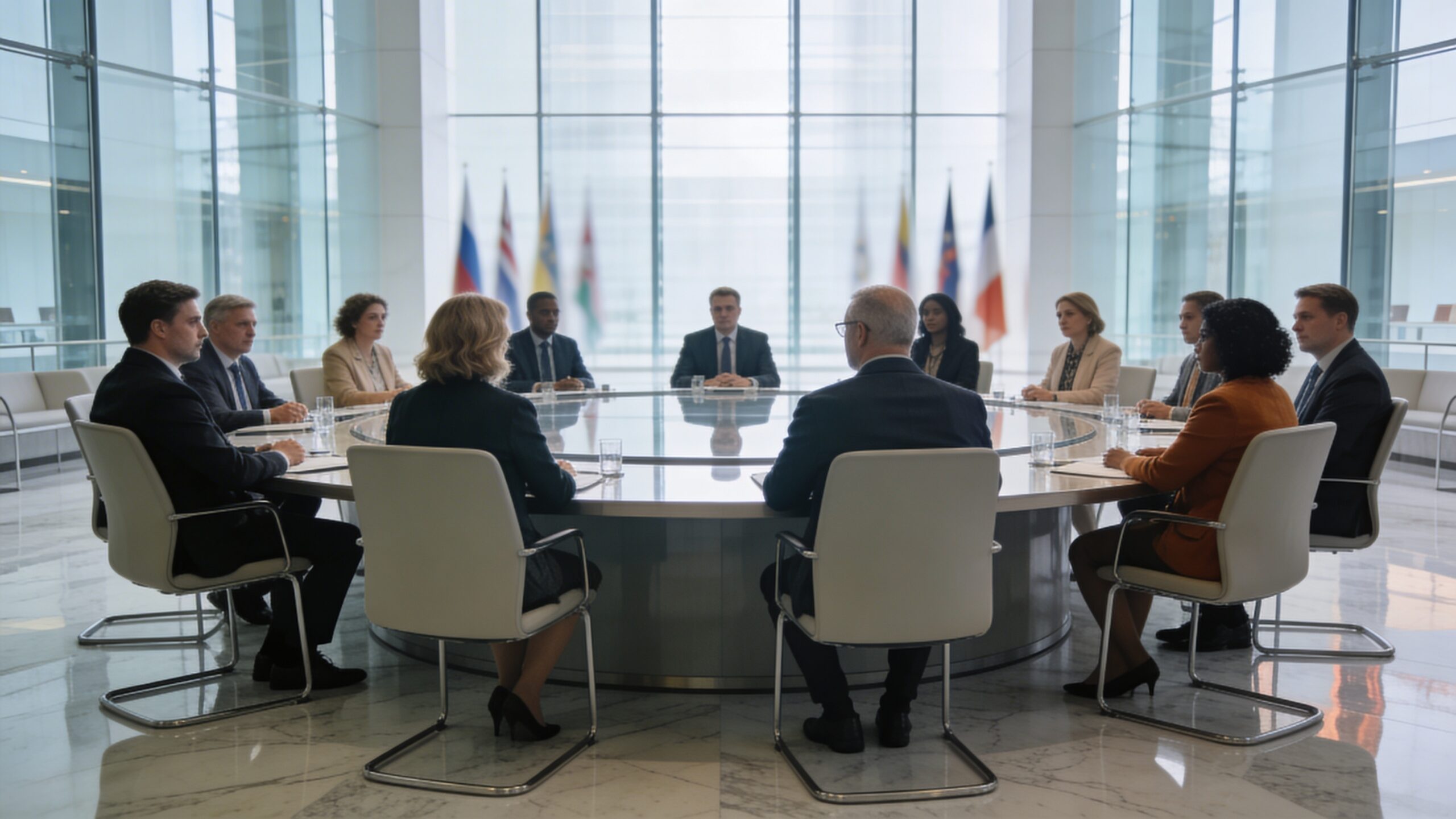
Diplomacy takes many forms depending on the issue, the players involved, and the level of tension. Bilateral diplomacy takes place between two countries and often focuses on direct relationships such as trade, defense, borders, or visas. Multilateral diplomacy involves several countries at once and is common in global forums where climate, security, health, and development issues are discussed. Public diplomacy is another important form. Instead of speaking only government to government, countries also try to influence foreign publics through media, culture, education, and messaging. This is closely connected to soft power, which is the ability to shape outcomes through attraction and credibility rather than force. Cultural programs, student exchanges, and international broadcasting can all support diplomatic goals.
There is also crisis diplomacy, which becomes essential when conflict risks rise quickly. In those moments, speed, clarity, and trust are crucial. Quiet diplomacy, sometimes called backchannel diplomacy, operates outside public view and can help leaders explore compromises without political theater. Economic diplomacy focuses on trade, aid, sanctions, and investment. Digital diplomacy now includes cyber issues, online communication, and the use of technology in statecraft. Together, these forms show that diplomacy is not one method but a collection of tools used across many arenas.
How Diplomacy Works in Practice
Diplomacy works through communication, leverage, timing, and credibility. A country rarely gets everything it wants in a negotiation. Instead, diplomats aim to secure the best possible outcome while preserving relationships and reducing costs. This often involves careful preparation. Before talks begin, governments define their priorities, identify red lines, study the other side’s incentives, and develop positions that can be defended publicly and privately.
Meetings then become the visible part of a much larger process. Diplomatic communication may include formal notes, private conversations, draft proposals, coordinated statements, and side negotiations. The tone matters. So does the sequence of concessions. In many cases, what is left unsaid is just as important as what is stated openly.
Successful diplomacy depends on trust, but not blind trust. Countries watch each other closely. They evaluate past behavior, domestic politics, military posture, economic vulnerability, and alliance commitments. Diplomacy requires reading signals accurately and understanding that every statement may have multiple audiences. An offer might be directed not only at another government but also at domestic voters, allies, or markets watching from the outside.
Diplomacy, Power, and National Interest
Diplomacy is often described as peaceful, but it is never separate from power. Countries bring different levels of economic strength, military capacity, geographic advantage, and international support to the table. These differences shape negotiations. A powerful state may have more leverage, but weaker states can still gain influence through coalitions, strategic geography, international law, or public legitimacy.
National interest is the engine behind diplomacy. Governments do not negotiate simply to appear cooperative. They negotiate because they want to protect or improve their position. That might mean securing trade access, deterring threats, managing migration, or strengthening alliances. Even humanitarian diplomacy is often shaped by broader strategic calculations. This does not make diplomacy cynical. It makes it realistic. Diplomacy works best when it accepts that countries have interests and then creates ways to align them enough to produce workable outcomes. The art of diplomacy lies in turning competition into controlled interaction and, when possible, into cooperation.
The Role of Treaties and Agreements
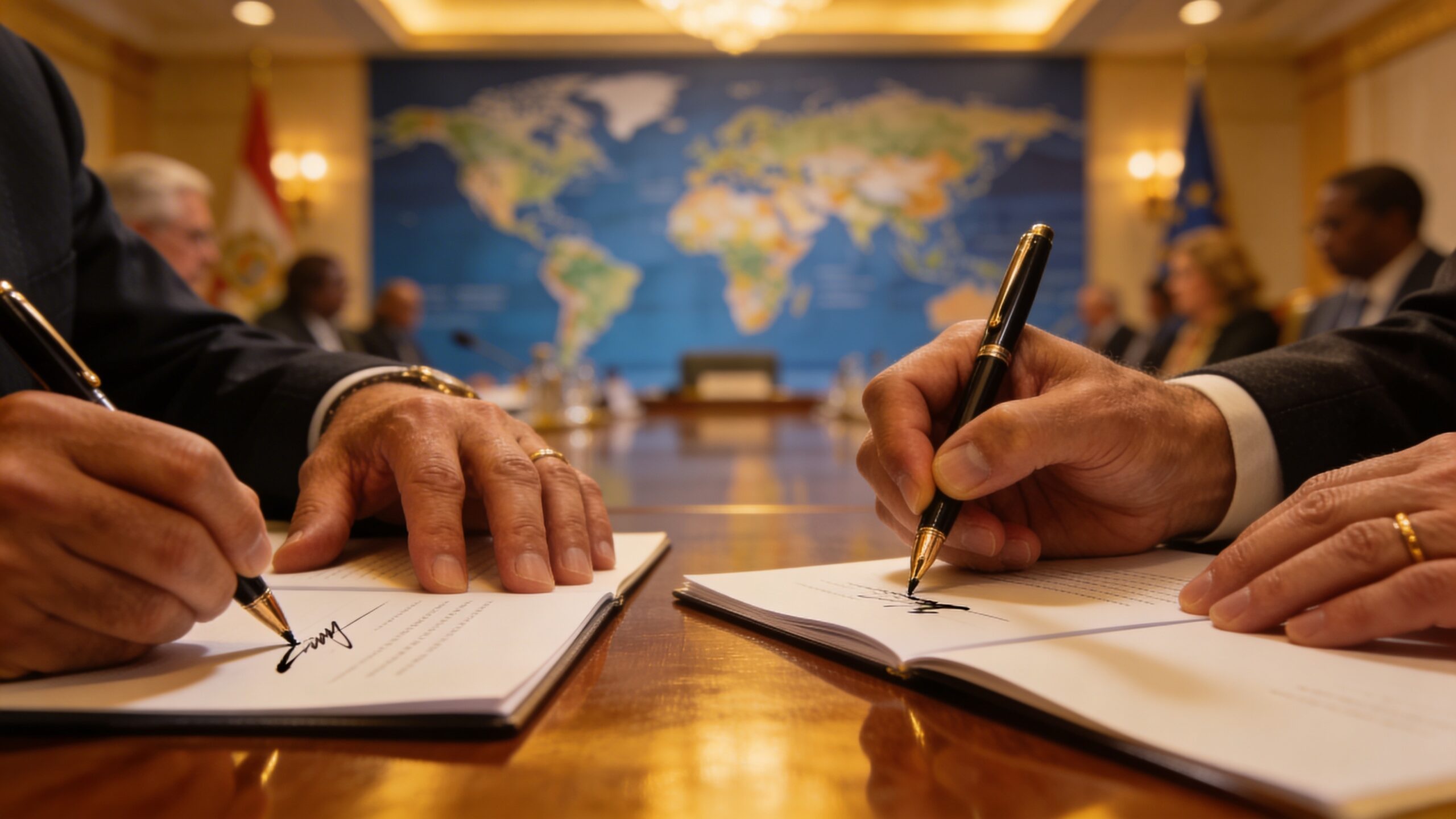
One of diplomacy’s most visible outcomes is the treaty. Treaties are formal agreements between countries that create rules, obligations, or shared commitments. They can address war, peace, trade, environmental policy, arms control, human rights, and much more. Diplomacy is what makes treaties possible in the first place.
But not every diplomatic success ends in a treaty. Some arrangements are informal, temporary, or political rather than legal. Joint statements, memorandums, ceasefires, and framework agreements can all emerge from diplomacy without becoming full treaties. These instruments can still be meaningful, especially when countries need flexibility or want to test cooperation before making larger commitments.
The process behind treaties shows diplomacy in action: negotiation, drafting, compromise, ratification, implementation, and monitoring. Even after an agreement is signed, diplomacy continues because enforcement, interpretation, and revision often require ongoing discussion.
When Diplomacy Succeeds
Diplomacy succeeds when it reduces danger, expands cooperation, or produces durable agreements that serve real interests. Sometimes success is dramatic, such as ending a war or preventing military escalation. More often, success is gradual and less visible. A new trade arrangement, a restored communication channel, or a small confidence-building measure may not dominate headlines, yet these achievements can prevent larger crises later.
Strong diplomacy usually shares a few characteristics. It is grounded in preparation, realistic about power, attentive to timing, and clear about priorities. It also leaves room for face-saving. Leaders are more likely to accept difficult compromises if they can present the result as credible and defensible at home. That is why skilled diplomats do not focus only on the agreement itself. They also think about how it will be received by legislatures, allies, media, and the public. Success in diplomacy is rarely perfect. It is often measured by what did not happen: the conflict that was avoided, the retaliation that never came, or the breakdown that was postponed long enough for a better solution to emerge.
Why Diplomacy Sometimes Fails
Diplomacy can fail for many reasons. Mistrust may run too deep. Domestic politics may punish compromise. Leaders may misread signals, overestimate leverage, or refuse to acknowledge the other side’s core concerns. In some cases, one or more parties may never intend to negotiate seriously at all. They may use talks to delay, distract, or gain advantage elsewhere.
Failure can also result from bad timing. A proposal that is possible in one political moment may be impossible in another. Elections, public pressure, economic shocks, military incidents, and leadership changes can all disrupt negotiations. Even when diplomats reach progress, events on the ground can quickly undo it.
Still, failed diplomacy is not always wasted effort. Talks that do not produce immediate results can clarify positions, reveal limits, open channels, and prepare the groundwork for future breakthroughs. In global relations, persistence often matters as much as speed.
Diplomacy in the Modern World
Modern diplomacy is evolving rapidly. Technology has accelerated communication, increased transparency, and expanded the number of voices influencing foreign policy. Social media can shape narratives in real time, while cyber threats have created entirely new diplomatic challenges. Climate change, global health emergencies, artificial intelligence, resource competition, and digital infrastructure now sit alongside traditional issues like war, trade, and alliances.
At the same time, diplomacy remains deeply human. Relationships, judgment, credibility, and cultural awareness still matter. A well-timed message, a trusted intermediary, or a carefully designed compromise can change the course of events. Even in a high-tech world, diplomacy depends on people understanding each other’s motives, fears, and goals. For beginners, this is an important lesson. Diplomacy is not an outdated ritual. It is a living system that adapts to new pressures while preserving a core purpose: helping countries manage power, solve problems, and communicate in a world where isolation is no longer realistic.
Understanding the Language of Global Relations
Diplomacy is the art and practice of managing international relationships through dialogue, negotiation, and strategy. It is how countries compete without constant conflict, cooperate without surrendering sovereignty, and respond to shared challenges in an interconnected world. From trade deals to peace talks, from embassies to summits, diplomacy shapes the structure of global relations every day. For anyone trying to understand world affairs, diplomacy is an essential starting point. It reveals how nations pursue interests, why global tensions rise or fall, and how agreements are built across political, cultural, and strategic divides. The more connected the world becomes, the more important diplomacy becomes as well. It remains the quiet force that helps hold the international system together.